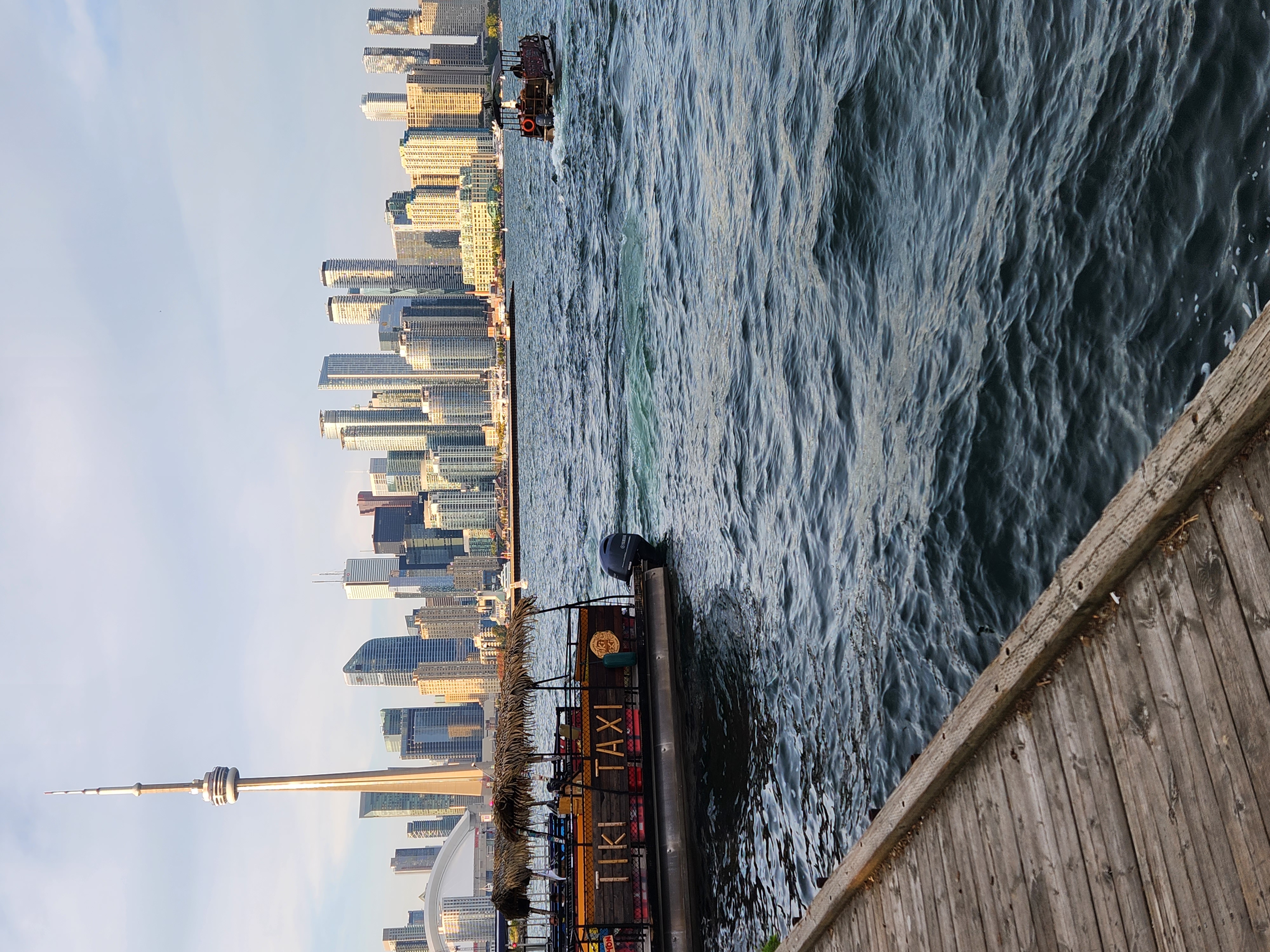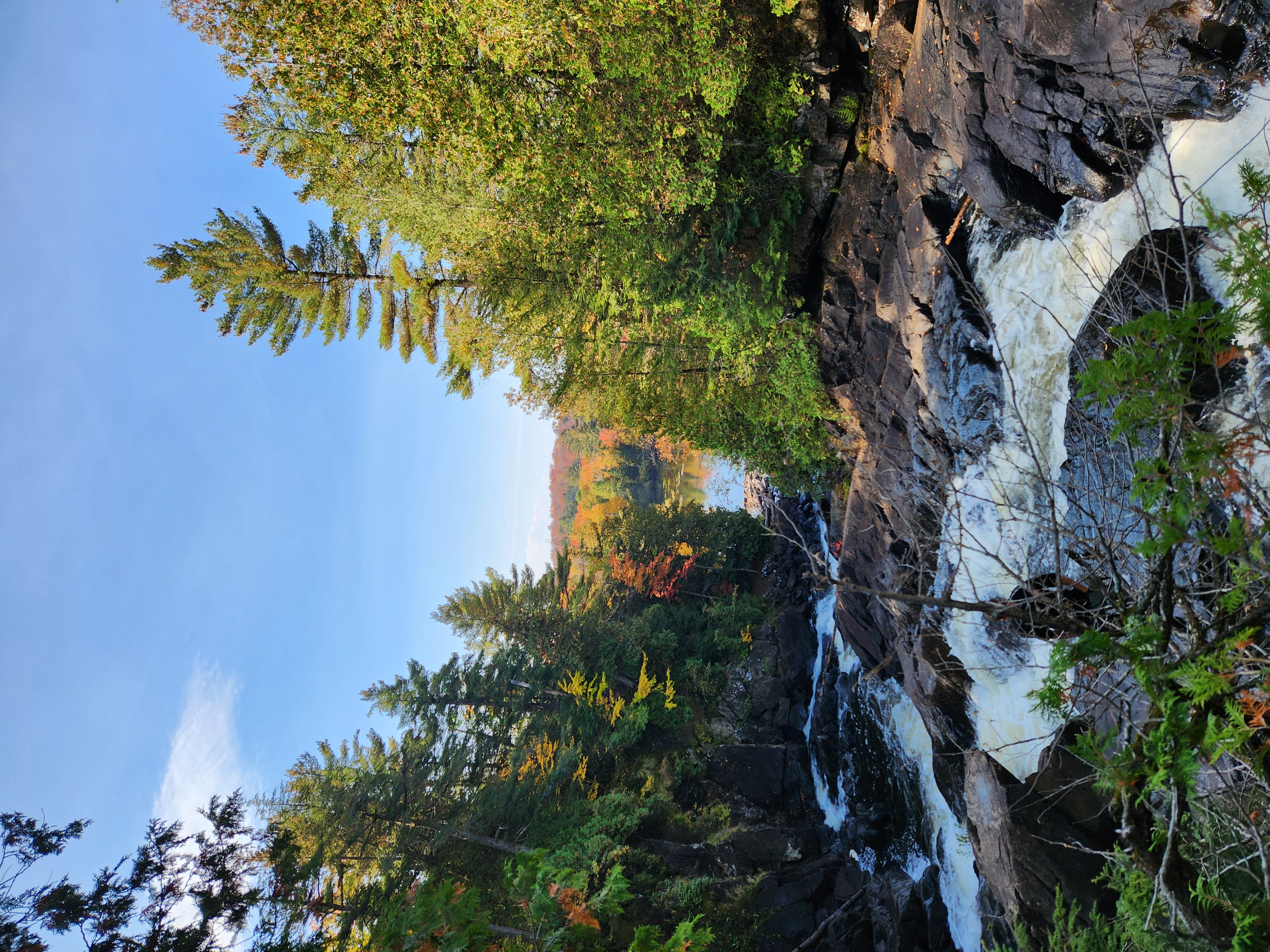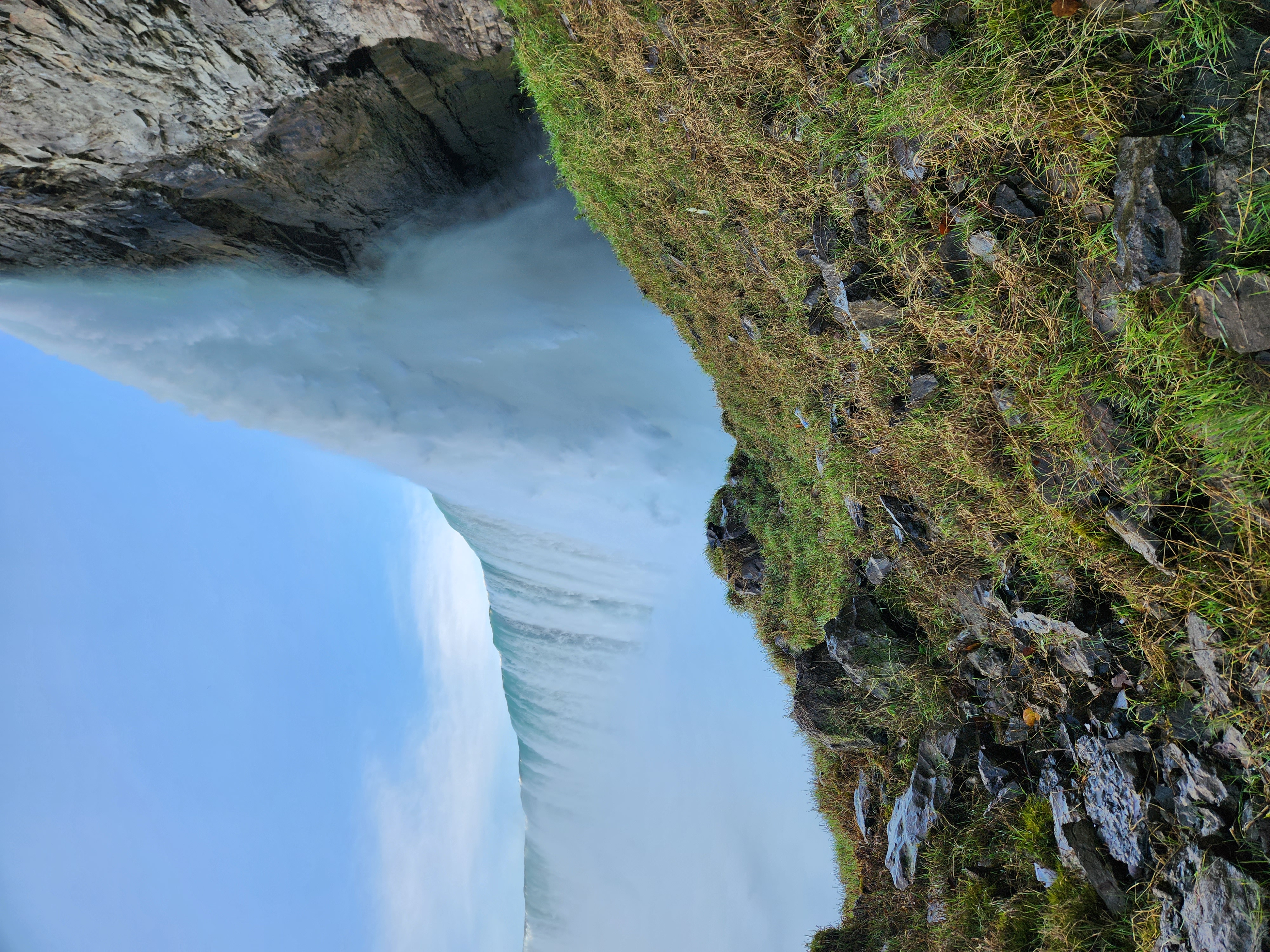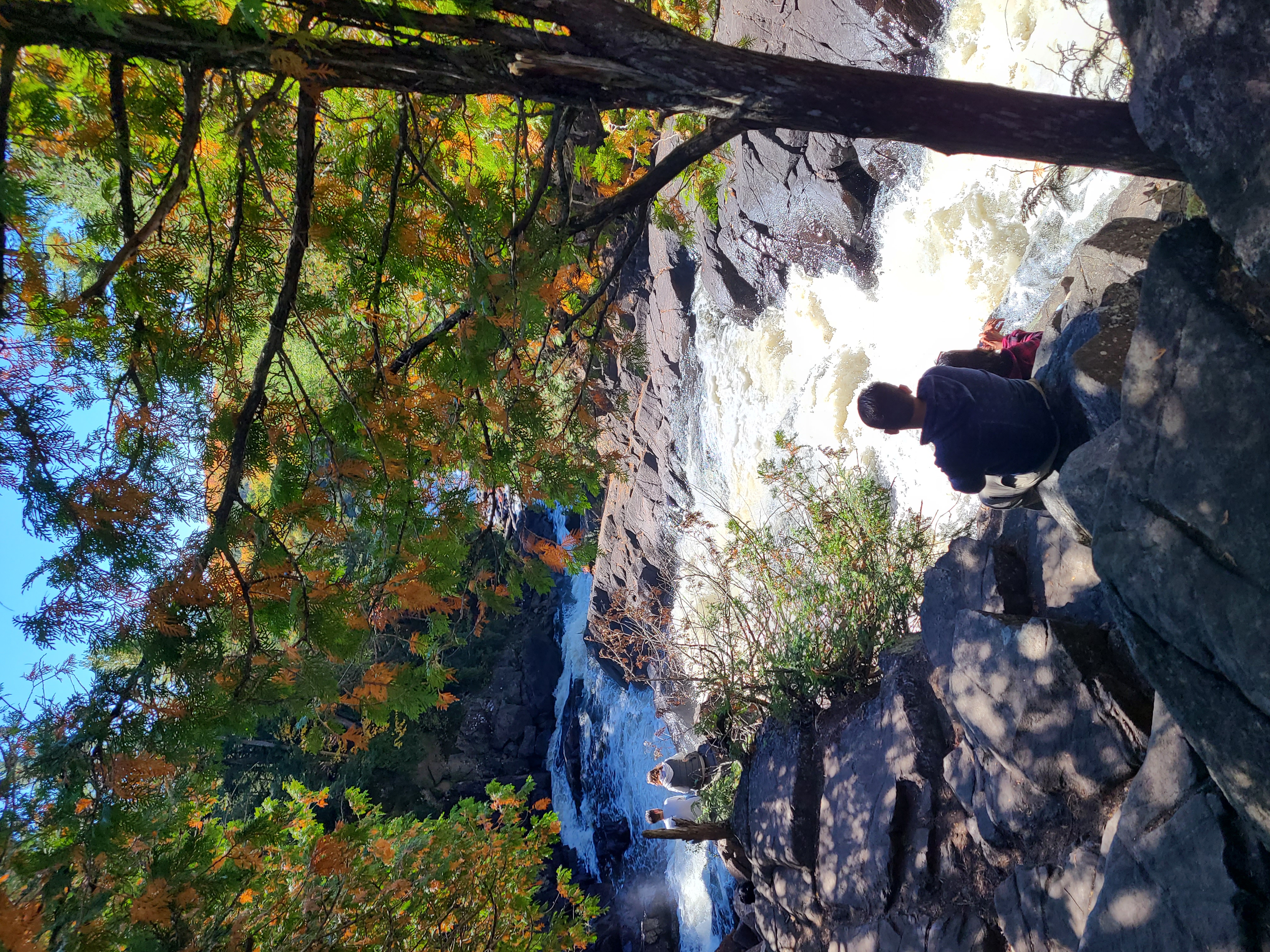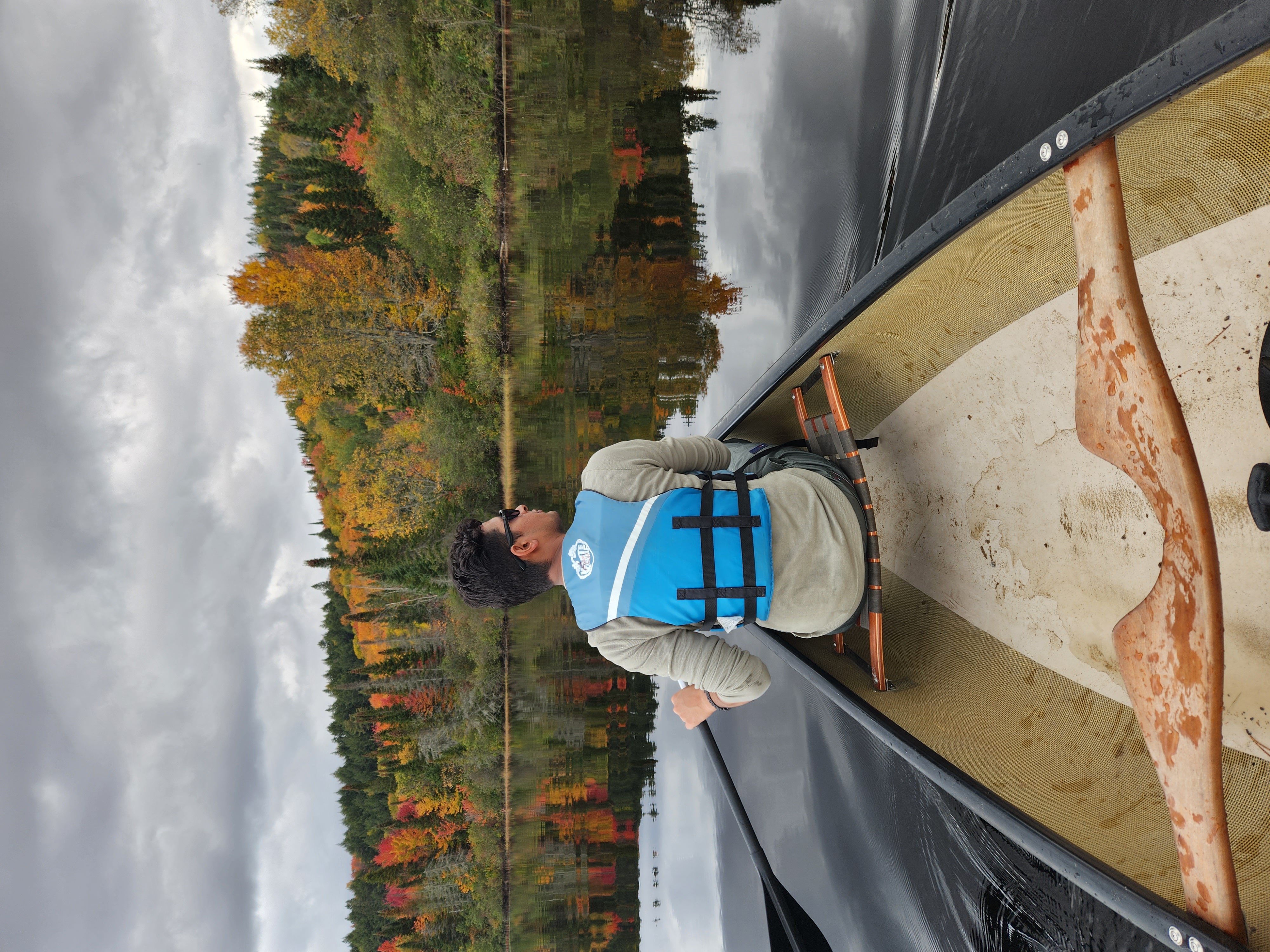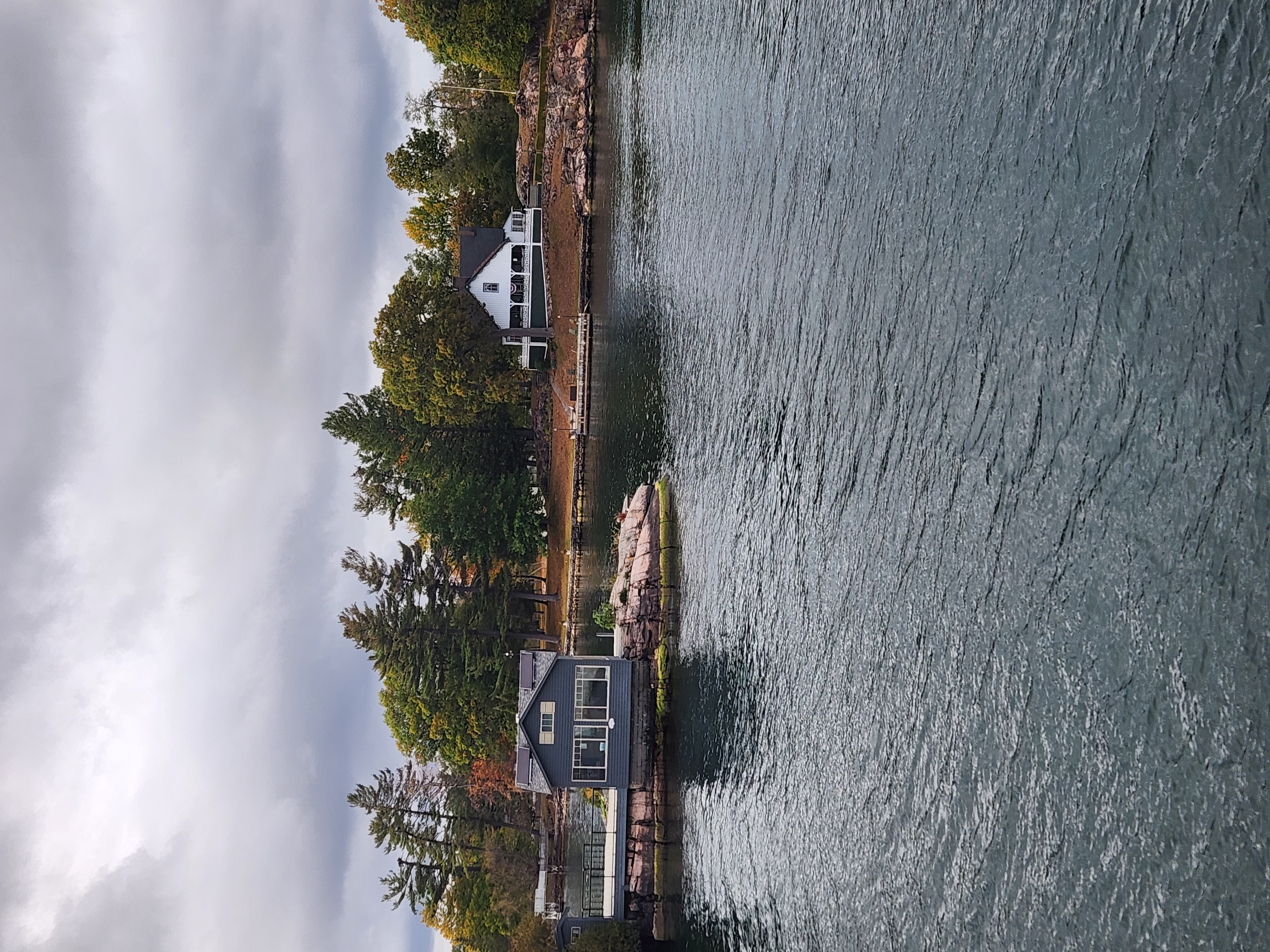
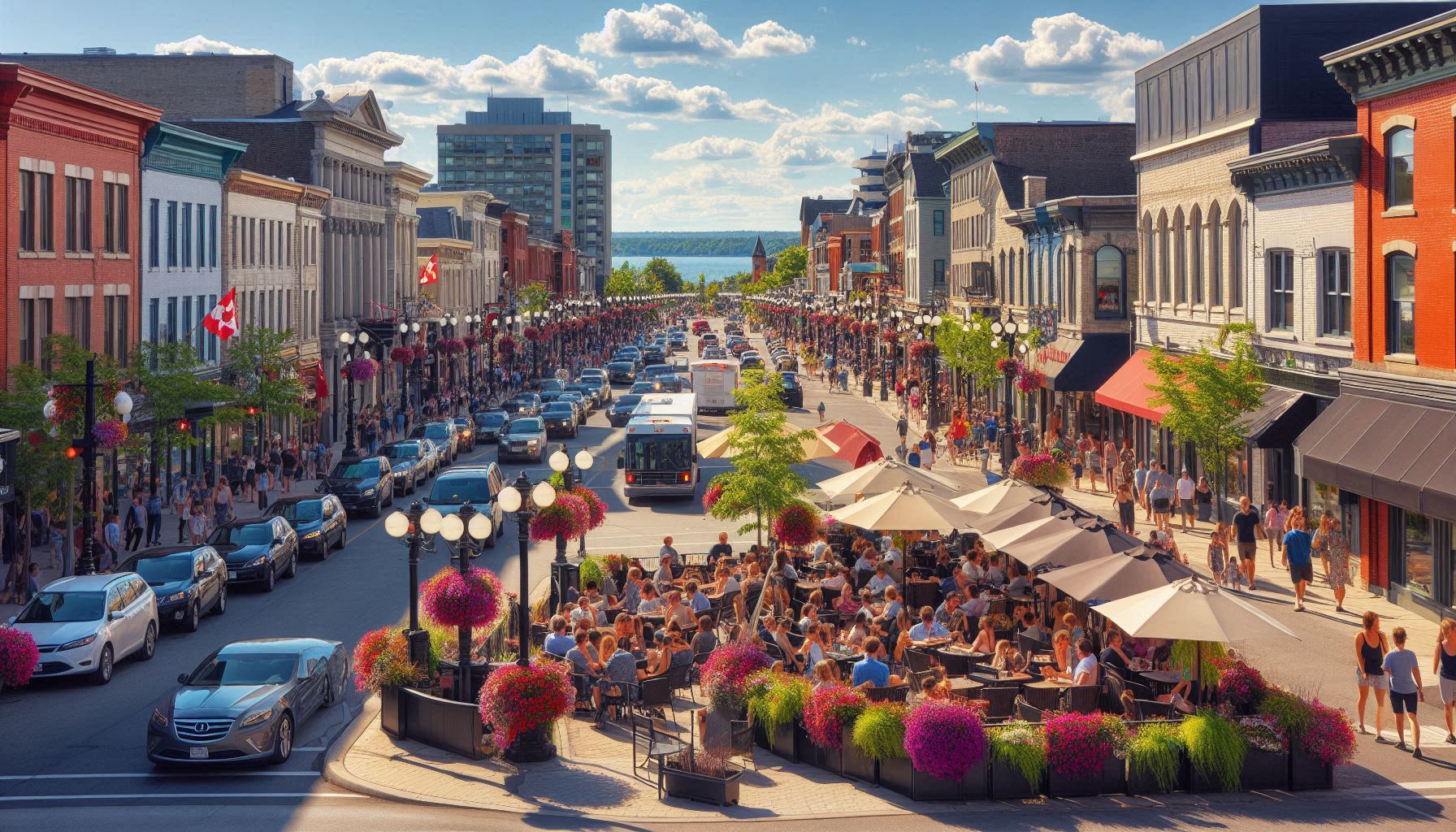
Canada is a country that the world admires from afar but experiences far too little. From the rainforests of British Columbia to the cliffs of Newfoundland, from the cosmopolitan pulse of Toronto to the quiet lakes of Muskoka, the nation possesses a natural and cultural landscape that rivals any on Earth. Yet despite this extraordinary inheritance, Canada has never fully treated tourism as a strategic economic engine , or as a tool of soft power.
That must change.
Tourism already contributes more than $124 billion to Canada’s economy and supports over 700,000 jobs, but the sector remains underdeveloped compared with its potential. With coordinated federal–provincial leadership and a modernized national strategy, Canada could realistically grow tourism revenue to $150 billion by 2030 and $200 billion by 2035. This is not wishful thinking. It is a pragmatic economic opportunity hiding in plain sight.
The world is rediscovering travel. Canada should be leading that wave, not watching from the shoreline.
A Sleeping Giant in the Global Tourism Economy
Canada ranks among the world’s most desirable destinations, yet it consistently underperforms in global tourism rankings. Countries with far smaller populations and fewer natural assets ,Portugal, Thailand, New Zealand , attract more visitors and generate more tourism revenue relative to their size.
The issue is not demand. The issue is strategy.
Canada’s tourism sector has long been treated as a pleasant accessory to the economy rather than a core pillar of national growth. But the numbers tell a different story. Tourism is one of the few industries that:
- Creates jobs in every province and territory
- Supports both rural and urban economies
- Generates export revenue without requiring physical shipments
- Stimulates construction, transportation, hospitality, retail, and entertainment
- Builds international goodwill and cultural influence
In an era where countries compete not only for investment but for attention, tourism is soft power. And soft power is economic power.
Ontario: The Engine That Could Drive a National Tourism Renaissance
If Canada is a sleeping giant, Ontario is the heart that can wake it.
Ontario already contributes roughly $24 billion in tourism GDP , the largest share in the country. But this number could be dramatically higher. With its combination of natural wonders, urban attractions, and year-round tourism assets, Ontario is uniquely positioned to lead a national tourism expansion.
Consider what Ontario already offers:
- Niagara Falls, one of the most visited natural attractions in the world
- Toronto, a global city with unmatched cultural diversity
- Muskoka, consistently ranked among the world’s top cottage and lake destinations
- Ottawa, a capital rich in museums, history, and national institutions
- Algonquin Park, a wilderness icon
- Wine regions in Niagara and Prince Edward County
- Festivals, from TIFF to Caribana to Winterlude
Yet Ontario’s tourism infrastructure has not kept pace with its potential. Hotel capacity lags behind demand during peak seasons. Transportation links between major attractions remain fragmented. Marketing efforts are inconsistent across regions. And investment in tourism-driven construction , from resorts to trails to cultural venues , has not matched the scale of opportunity.
Ontario should set a clear goal:
- Grow tourism GDP from $24B to $35B by 2030
- $50B by 2035
These targets are ambitious but achievable with coordinated planning.
A National Strategy Built on Collaboration
Tourism cannot be left to chance or scattered local initiatives. It requires a national framework with provincial execution and private-sector partnership.
Here is what that framework should include:
1. A Federal–Provincial Tourism Growth Council
A permanent body bringing together:
- Federal ministries
- Provincial tourism departments
- Municipal leaders
- Indigenous tourism organizations
- Airlines, hotels, and travel companies
- Construction and infrastructure partners
This council would coordinate investment, streamline regulations, and ensure that tourism development aligns with environmental and cultural priorities.
2. A 10-Year Tourism Infrastructure Plan
Tourism is not just marketing ,it is infrastructure.
Canada needs:
- Expanded regional airports
- Faster rail links between major attractions
- Modernized border facilities
- New hotels and resorts in high-demand regions
- Upgraded parks, trails, and waterfronts
- Year-round tourism facilities to reduce seasonality
Every dollar invested in tourism infrastructure generates multiple dollars in economic activity across construction, transportation, and hospitality.
3. A Global Branding Campaign
Canada’s image abroad is positive but vague. The world knows we are friendly, safe, and scenic — but not what makes us unforgettable.
A modern branding campaign should highlight:
- Indigenous culture
- Culinary tourism
- Adventure travel
- Urban culture
- Film and entertainment
- Winter experiences
- Nature-based wellness tourism
Countries that invest in branding , Australia, Iceland, Japan , see measurable returns.
4. A Workforce Strategy for Tourism Jobs
Tourism is one of the most job-intensive sectors in the economy. A national strategy should include:
- Training programs
- Immigration pathways for hospitality workers
- Incentives for rural tourism employment
- Partnerships with colleges and universities
Tourism jobs are not “low-skill.” They are essential, customer-facing, and globally competitive.
Tourism as a Soft-Power Strategy
Tourism is not just an economic engine , it is a diplomatic tool.
Every visitor who experiences Canada’s landscapes, cities, and culture becomes an informal ambassador. Tourism builds:
- International goodwill
- Cultural understanding
- Global networks
- Foreign investment interest
- Long-term trade relationships
Countries like France, Japan, and the UAE understand this deeply. Tourism is part of their national identity and global influence.
Canada, with its multicultural society and global reputation for stability, is uniquely positioned to use tourism as a soft-power multiplier.
Why the Time Is Now
The global travel industry is undergoing a historic shift:
- Post-pandemic travel demand is surging
- Middle-class populations in Asia and Africa are expanding
- Remote work is enabling long-stay tourism
- Climate-conscious travelers are seeking nature-rich destinations
- Countries are competing aggressively for visitors
Canada fits the moment perfectly , but only if it acts.
If Canada does nothing, it will continue to underperform. If it embraces tourism as a strategic priority, it can reshape its economic future.
A Vision for 2035
Imagine Canada in 2035:
- Tourism revenue surpasses $200 billion
- Ontario alone contributes $50 billion
- New resorts, trails, and cultural districts have revitalized rural communities
- High-speed rail links Toronto, Ottawa, Montreal, and Niagara
- Indigenous tourism is a global model of cultural leadership
- Canada is recognized as one of the world’s top three travel destinations
- Hundreds of thousands of new jobs have been created
- Tourism has become a pillar of Canada’s soft power
This is not a fantasy. It is a choice.
Conclusion: Canada Must Choose Ambition
Canada has the landscapes, the cities, the culture, and the global reputation to become a tourism superpower. What it lacks is a unified strategy and the political will to treat tourism as a national priority.
The path to $150 billion by 2030 and $200 billion by 2035 is clear:
- Invest in infrastructure
- Coordinate across governments
- Partner with the private sector
- Build a global brand
- Empower the workforce
- Leverage tourism as soft power
Tourism is not merely an industry. It is a nation’s invitation to the world , and Canada’s invitation has never been more compelling.
The question is whether we will send it.