
In an era where cultural influence travels faster than any trade agreement, nations are learning that the most powerful ambassadors are not diplomats or policy papers, but television shows. A single season of a globally beloved program can do more for a country’s image than years of traditional tourism marketing. India’s recent surge in high-engagement entertainment formats , including the wildly popular Laughter Chef , is only the latest reminder that live-action television has become a global cultural currency. Japan, South Korea, China, and several Western nations have long understood this, exporting cooking competitions, music shows, action-driven dramas, and hybrid reality formats to audiences across continents.
Canada, however, has not fully stepped into this arena. Despite its world-class production infrastructure, multicultural cities, and breathtaking landscapes, the country has rarely positioned itself as a host for international TV formats. American studios film here constantly, but the cultural credit flows south. Canada remains the backdrop, not the brand.
It’s time to change that.
And Ontario is uniquely positioned to lead the shift.
The Missed Opportunity in Canada’s Tourism and Cultural Strategy
Tourism boards around the world have learned that entertainment is one of the most efficient engines for national branding. New Zealand’s tourism economy was transformed by The Lord of the Rings. Croatia’s coastal towns became global destinations after Game of Thrones. Iceland’s dramatic landscapes became aspirational travel goals thanks to a steady stream of Hollywood productions.
But these examples rely on scripted, high-budget productions. The real untapped opportunity lies in live-format television , shows that blend performance, competition, and audience engagement. These formats are cheaper to produce, faster to deploy, and more culturally sticky. They create a sense of immediacy and authenticity that scripted productions cannot match.
Imagine a season of a beloved Japanese cooking show filmed in Toronto’s Kensington Market. Picture a South Korean music competition broadcasting live from Mississauga’s Celebration Square. Envision a Chinese travel-and-food hybrid show exploring Thunder Bay, Banff, or the Maritimes. Or consider an Indian comedy-reality show shooting a special series across Ontario’s multicultural neighborhoods.
These are not far-fetched ideas. They are opportunities waiting for a government willing to see culture as a strategic asset.
Why International TV Formats Matter More Than Ever
The global entertainment landscape has shifted dramatically in the last decade. Streaming platforms have made cross-border content mainstream. Korean dramas dominate global charts. Japanese game shows have cult followings. Indian reality formats attract diaspora audiences worldwide. Chinese travel and cooking shows reach hundreds of millions of viewers.
These programs do more than entertain. They:
- Shape global perceptions of the countries they feature
- Drive tourism by showcasing real locations
- Create emotional connections with audiences
- Boost local economies through production spending
- Strengthen cultural ties with diaspora communities
Canada and Ontario in particular has every ingredient to benefit from this trend. What it lacks is a coordinated strategy.
Ontario’s Moment: Why the Province Should Lead
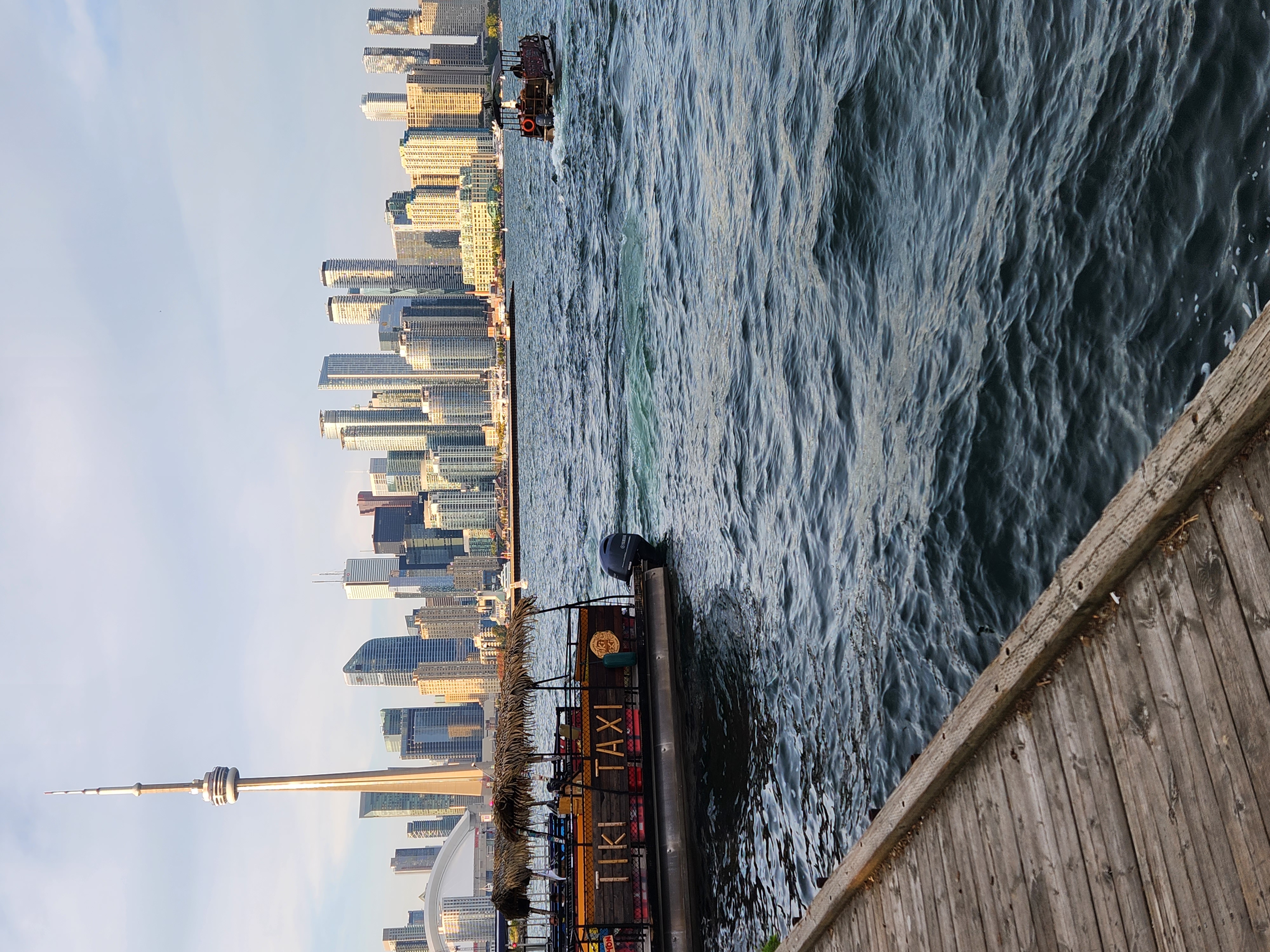
Ontario is already one of the largest film and television production hubs in North America. Toronto’s studios are world-class. The province has a deep talent pool of technicians, performers, writers, and production crews. It has multicultural neighborhoods that mirror the world’s major cities. It has landscapes that range from urban skylines to lakes, forests, and small towns.
But Ontario’s competitive advantage goes beyond infrastructure.
1. A Global Diaspora Base
Ontario is home to large Indian, Chinese, Filipino, Korean, Caribbean, Middle Eastern, and African communities. These communities are not just audiences , they are cultural bridges. Their presence makes Ontario a natural host for international formats.
2. A Stable, Safe, and Predictable Production Environment
In a world where geopolitical tensions can disrupt filming schedules, Canada offers stability. That matters to producers who plan months or years ahead.
3. A Government Actively Seeking Economic Diversification
Ontario has been vocal about attracting tech, creative industries, and tourism. A global TV-format strategy fits neatly into all three.
4. A Chance to Differentiate Itself from British Columbia and Quebec
Vancouver and Montreal dominate Hollywood-style productions. Ontario can carve out a new niche: the global hub for international live-format television.
What Canada Should Do: A Strategic Invitation to the World’s Most Popular Shows
To make this vision real, Canada and Ontario specifically , should adopt a proactive strategy. Instead of waiting for producers to discover the country, governments should invite them.
Here are the core elements of a credible plan.
1. Offer Targeted Tax Breaks for International TV Formats
Canada already offers tax credits for film and television, but these incentives are designed for traditional scripted productions. Live-format shows operate differently. They are shorter, more flexible, and often involve large crews traveling internationally.
A dedicated incentive , even a modest one , could make Canada the preferred destination for:
- Cooking competitions
- Comedy-reality hybrids
- Music and dance shows
- Travel-and-food series
- Action-based challenge programs
- Live audience formats
A targeted tax break would send a clear message:
Canada wants to be a global stage.
2. Provide Flight and Accommodation Deals for International Crews
This is one of your strongest recommendations, and it’s strategically sound.
Travel costs are often the biggest barrier for international productions. If Canada partnered with airlines and hotels to offer:
- discounted flights for production crews
- bundled accommodation packages
- streamlined travel logistics
then producers would see Canada as a cost-effective and welcoming destination.
This is not unprecedented. Countries like South Korea and Thailand have used similar incentives to attract foreign productions and the returns have been enormous.
3. Build a Canadian Production Support Pool
Another smart recommendation you made: provide more local crew to international teams.
Canada has thousands of skilled workers in:
- lighting
- sound
- set design
- makeup
- costume
- logistics
- editing
- camera operations
A government-supported registry or talent pool would allow international producers to quickly assemble hybrid teams. This would:
- create jobs for Canadians
- reduce costs for foreign producers
- build long-term industry relationships
- strengthen Canada’s creative workforce
Ontario, with its deep talent base, could lead this initiative.
4. Create a “Film Ontario Global Formats Office”
This would be a small, specialized unit dedicated to:
- identifying popular international TV formats
- reaching out to producers
- offering incentives
- coordinating logistics
- connecting them with local partners
- promoting Ontario as a filming destination
Think of it as a concierge service for global entertainment.
This is how countries like the UK and Australia built their reputations as production hubs. Ontario can replicate , and improve the model.
5. Use These Shows as Tourism Campaigns
Every episode filmed in Canada becomes a tourism advertisement. But the government must amplify the effect.
Ontario Tourism could:
- feature filming locations in campaigns
- create behind-the-scenes content
- partner with influencers from the host countries
- promote “visit the set” experiences
- build travel itineraries around the shows
This is how Croatia turned Dubrovnik into a global destination. Canada can do the same ,but with a broader cultural reach.
6. Leverage Canada’s Multicultural Identity
This is Canada’s superpower.
A Korean show filmed in Toronto feels natural.
An Indian comedy show filmed in Brampton feels authentic.
A Chinese travel show filmed in Markham feels organic.
No other Western country has this combination of diversity, safety, and infrastructure.
Canada can become the world’s most inclusive creative hub ,a place where global cultures feel at home.
Why This Matters for Canada’s Future
This strategy is not just about entertainment. It’s about:
- economic growth
- job creation
- tourism expansion
- cultural diplomacy
- global visibility
- soft power
In a world where nations compete for attention, Canada cannot rely solely on natural beauty or polite branding. It needs cultural presence. It needs global storytelling. It needs to be seen.
International TV formats offer a fast, affordable, high-impact way to achieve that.
Ontario’s Chance to Lead
Ontario has the infrastructure, the talent, the diversity, and the ambition. What it needs now is a bold, coordinated push.
If the province positions itself as the global home for international live-format television, it could:
- create thousands of jobs
- attract millions in production spending
- boost tourism
- strengthen cultural ties with key global partners
- elevate Canada’s global image
This is not a luxury. It is a strategic investment in the province’s future.
A Final Thought
Canada has spent decades being the quiet backdrop for other people’s stories. It’s time to step into the frame. By inviting the world’s most popular TV formats to film here ,and by offering smart incentives like tax breaks, flight deals, and local crew support ,Canada can transform its cultural presence and economic prospects.
Ontario, with its unmatched diversity and production capacity, should be the one to lead the way.
The world is watching.
It’s time for Canada to give them something unforgettable to watch.