NIAGARA FALLS, Ontario
When the FIFA World Cup arrives in Canada in 2026, the global spotlight will naturally fall on Toronto, Vancouver, and the stadiums hosting the world’s most watched sporting event. Yet several hours south of Toronto, another destination is preparing for a moment that could reshape its tourism landscape for years to come. Niagara Falls ,already one of North America’s most iconic attractions , is quietly bracing for what local officials believe could be one of the largest visitor surges in its modern history.
The 2026 tournament will be the biggest World Cup ever staged, with 48 teams, 104 matches, and three host nations. Toronto’s role as a host city places Niagara Falls in a unique position: close enough to attract match-day crowds, yet distinct enough to offer an entirely different experience. Tourism analysts predict that millions of international fans, along with thousands of Americans attending games in nearby U.S. cities, will use the opportunity to visit the Canadian side of the Falls , long considered the more scenic, safer, and more photogenic vantage point.
Niagara typically welcomes around 14 million visitors annually. During the World Cup, officials believe that number could swell dramatically, especially on days when Toronto hosts matches. Many of these visitors will be first-timers, eager to capture the iconic Horseshoe Falls photo or explore the neon-lit energy of Clifton Hill. The challenge for Niagara is not simply accommodating more people; it is ensuring that the city remains safe, clean, and navigable during a period of intense global attention.
Security is at the forefront of planning. Large sporting events bring excitement, but they also introduce complex crowd dynamics. Niagara’s police services, border agencies, and emergency responders have already begun coordinating with provincial and federal authorities to prepare for the influx. Officials anticipate the need for expanded foot patrols in high-density zones, multilingual officers to assist international visitors, and drone-based monitoring to map crowd movement in real time. The goal is not to create a sense of surveillance, but to maintain order in a city where pedestrian traffic can already feel overwhelming on summer weekends.
Cross-border coordination will be equally important. With Buffalo and Niagara Falls, New York, just minutes away, American fans are expected to cross into Canada in large numbers. Border agencies are preparing for extended hours, additional staffing, and pre-clearance lanes designed to streamline event-related travel. Real-time digital signage may be deployed to direct traffic and reduce bottlenecks at key crossings. The Canadian side’s reputation for safety, better views, and a more polished tourism district is expected to draw many Americans who want a more memorable experience than what the U.S. side typically offers.
Emergency response readiness is another priority. Large crowds require rapid, flexible medical support. Niagara is exploring temporary first-aid stations, mobile medical units, and heat-relief tents for hot summer match days. Rapid-response teams may be stationed near major attractions to ensure that medical incidents can be addressed quickly. Emergency services are also reviewing evacuation routes and communication protocols to ensure they can handle sudden surges or unexpected incidents.
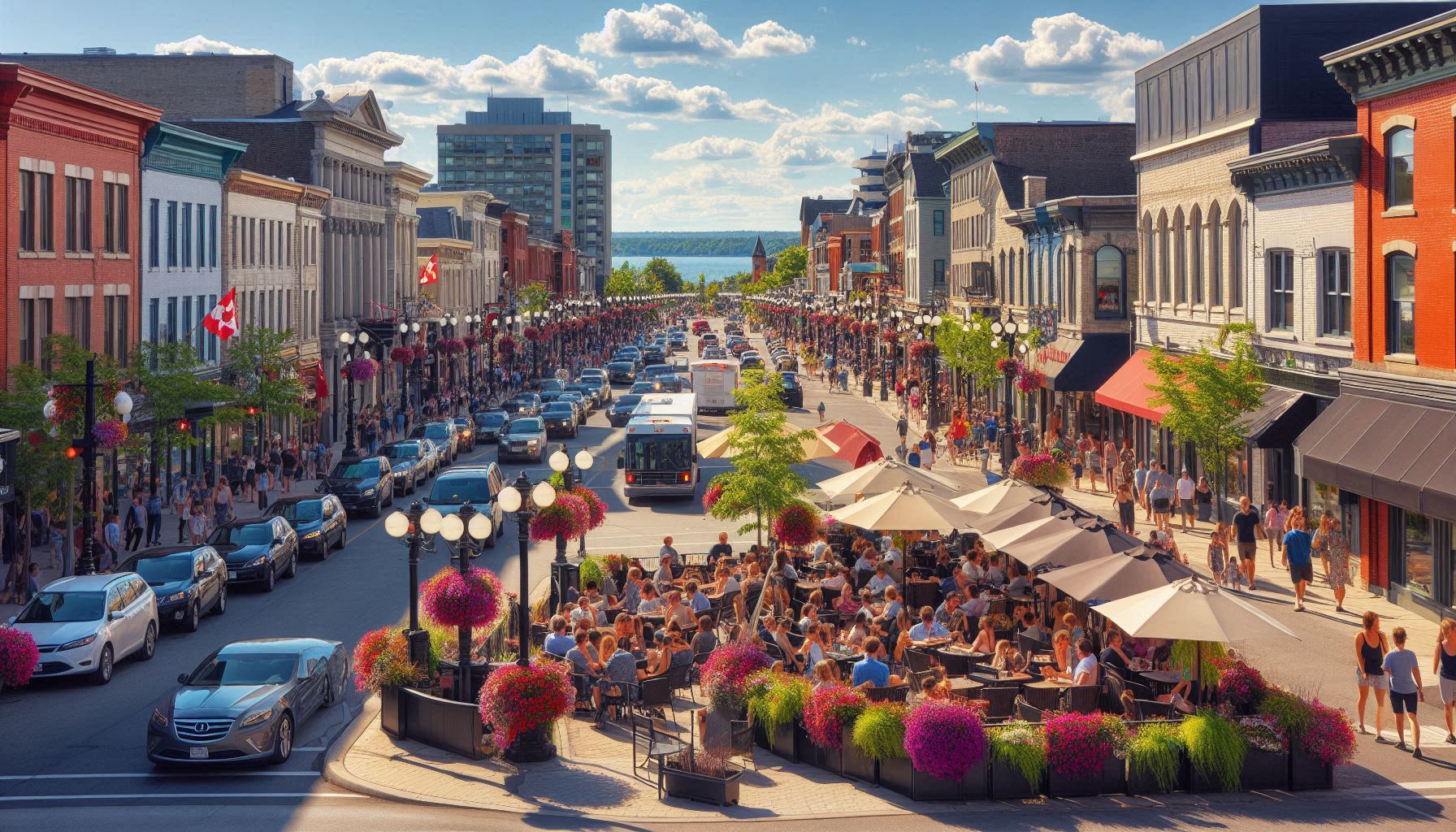
Crowd management will be one of the city’s most visible challenges. Niagara Falls is compact, walkable, and scenic , but during peak season, it can feel congested. The World Cup will amplify that reality. City planners are considering one-way pedestrian lanes on narrow sidewalks, temporary pedestrian bridges, and widened walkways to prevent bottlenecks near the brink of the Falls and along Clifton Hill. Timed entry systems for popular attractions, such as Journey Behind the Falls, may help distribute crowds more evenly throughout the day. Digital crowd-density maps accessible through mobile apps could give visitors real-time information about busy areas, helping them navigate the city more comfortably.
Transit enhancements will also play a crucial role. To reduce vehicle congestion, Niagara may expand shuttle services from parking lots outside the core, increase GO Transit frequency between Toronto and Niagara, and introduce dedicated bus lanes during peak hours. Bike-share and scooter-share programs could offer alternatives to driving, while partnerships with rideshare companies may create designated pickup zones to reduce roadside chaos. Traffic officers may be deployed at key intersections, supported by dynamic signage that directs vehicles to available parking. The objective is to keep vehicles moving while prioritizing pedestrian safety.
Cleanliness and maintenance will be essential to presenting Niagara as a world-class destination. A global event brings global scrutiny, and the city’s reputation depends not only on its natural beauty but also on the cleanliness of its public spaces. Niagara is preparing to deploy round-the-clock sanitation crews, add temporary waste and recycling bins, and increase washroom availability and maintenance. High-traffic areas may be pressure-washed daily. Utilities teams are reviewing water-usage projections, wastewater capacity, and stormwater management to ensure that infrastructure can withstand the increased demand. Beautification efforts , from seasonal flower installations to enhanced lighting along the promenade , will help create a polished, welcoming environment for visitors.
But Niagara is not simply preparing to manage crowds; it is also preparing to celebrate. The city sees the World Cup as an opportunity to create a festival atmosphere that extends beyond the stadiums. Public viewing zones with large screens could transform parks and plazas into communal gathering spaces where fans from around the world can watch matches together. These zones may feature food trucks, live music, cultural showcases, and family-friendly activities. Such spaces help distribute crowds across the city rather than concentrating them in a few hotspots.
Local businesses are preparing to embrace the moment as well. Restaurants, wineries, and attractions are exploring themed offerings, extended hours, and shuttle packages that connect visitors to the region’s vineyards. The wine industry, in particular, sees a chance to introduce global visitors to Niagara’s unique terroir. Cross-border collaboration with Niagara Falls, New York, could lead to binational concerts, fireworks displays, and joint tourism passes that encourage visitors to explore both sides of the border.
Economically, the World Cup represents a once-in-a-generation opportunity. Hotels are already preparing for early bookings, dynamic pricing, and extended-stay packages. Some analysts predict occupancy rates could reach record highs. Restaurants, bars, souvenir shops, and attractions anticipate higher foot traffic and increased international spending. The economic ripple effect could extend well beyond the tournament, as first-time visitors become lifelong ambassadors for the region.
Infrastructure investments made for 2026 are expected to benefit residents long after the final whistle. Enhanced transit service, smart-city tools such as real-time digital signage and crowd sensors, and upgraded public spaces will improve quality of life for locals. Sustainability initiatives , including electric shuttle fleets, solar-powered lighting, and waste-reduction programs , will help Niagara host a global event without compromising environmental stewardship.
The American factor adds another layer to Niagara’s preparations. While Toronto will host matches, many American fans traveling through the region are expected to cross into Canada. The Canadian side of the Falls offers better views, a safer pedestrian experience, and a more developed tourism district. Favorable exchange rates and the allure of capturing the perfect photo will draw many U.S. visitors northward. This cross-border dynamic could significantly increase Niagara’s visitor load, making preparation even more critical.
As the countdown to 2026 continues, Niagara Falls finds itself at a pivotal moment. The city has long been a symbol of natural wonder, a place where millions come to witness the power of water and the beauty of the landscape. But the World Cup presents a different kind of test , one that requires planning, coordination, and vision. If Niagara succeeds, it will not only manage the crowds but elevate the visitor experience, showcasing the region as a world-class destination capable of hosting global audiences.
For now, the roar of the Falls continues as it always has. But soon, it may be joined by the cheers of fans from every corner of the world ,a reminder that even a city built around a natural wonder can find new ways to shine on the international stage.