Why the Province Must Build a Tourism Economy Worth $60 Billion by 2040
In a province defined by its skylines, waterfalls, and vast northern wilderness, a quiet economic truth is emerging: Ontario’s tourism sector is no longer just a cultural asset , it is one of the province’s most powerful engines of growth. Yet the question facing policymakers, business leaders, and communities is whether Ontario is prepared to transform that engine into a global powerhouse capable of generating more than $60 billion annually by 2040.
For years, tourism in Ontario has been viewed as a dependable but modest contributor to the provincial economy. Official plans project roughly $38 billion in visitor spending by 2030, a figure that reflects steady but cautious growth. But economists, industry analysts, and regional planners increasingly argue that this target undersells Ontario’s potential , and risks leaving billions of dollars in economic activity unrealized.
The case for a more ambitious vision is compelling. Ontario already supports over 816,000 tourism-related jobs, more than any other province in Canada. Its cities host world-class festivals, its natural landscapes draw millions of visitors, and its cultural institutions rival those of major global capitals. And in 2026, Ontario will help co-host the FIFA World Cup, one of the largest sporting events on the planet , a rare opportunity to showcase the province to billions of viewers.
But the World Cup is not the finish line. It is the starting point.
To reach a $60-billion tourism economy by 2040, Ontario will need to rethink how it markets itself, how it connects its regions, and how it competes for the world’s most sought-after events. It will require investments in transportation, hospitality, digital infrastructure, and workforce development. And it will demand a new understanding of tourism not as a seasonal luxury, but as a strategic pillar of long-term economic resilience.
A Province Built for Tourism ,But Not Yet Built for Global Scale
Ontario’s tourism geography is unusually diverse. Toronto, the province’s economic heart, draws millions of international visitors each year for its sports teams, cultural festivals, and business conventions. Niagara Falls remains one of the most recognized natural landmarks in the world. Ottawa, the nation’s capital, attracts visitors for its museums, political institutions, and national celebrations. Muskoka and cottage country offer luxury retreats for domestic and international travelers alike. And Northern Ontario’s vast wilderness provides opportunities for adventure tourism, Indigenous tourism, and eco-tourism.
Yet despite this diversity, Ontario’s tourism economy remains fragmented. Regions operate in silos. Transportation links between major destinations are inconsistent. And while Toronto and Niagara have global name recognition, many of Ontario’s most promising regions remain under-marketed and under-connected.
Economists argue that this fragmentation is one of the biggest barriers to growth. “Ontario has the assets to be a global tourism leader,” says one industry analyst. “What it lacks is the connective tissue — the infrastructure, the coordination, the long-term strategy , to turn those assets into a unified economic force.”
Why $60 Billion by 2040 Is Not Only Possible , It’s Necessary
Ontario’s current tourism target , roughly $38 billion in visitor spending by 2030 , reflects a conservative approach based on existing infrastructure and investment levels. But this figure does not account for the full economic footprint of tourism, which includes:
- Direct spending (hotels, restaurants, attractions)
- Indirect spending (supply chains, transportation, logistics)
- Induced spending (wages spent by tourism workers)
When these factors are included, Ontario’s tourism economy already approaches $45–$60 billion in total output today.
Reaching $60 billion in visitor spending ,not just total output , by 2040 would require a more ambitious strategy. But the payoff would be enormous:
- Hundreds of thousands of new jobs across hospitality, transportation, retail, and entertainment
- Billions in new tax revenue for provincial and municipal governments
- Stronger regional economies, especially in rural and northern communities
- Greater global visibility for Ontario’s cities and cultural institutions
- A more resilient economy less dependent on manufacturing cycles
Tourism is one of the few sectors where Ontario can grow rapidly without relying on resource extraction or heavy industry. It is a clean, sustainable, job-rich sector ,and one that aligns with global trends in travel, culture, and experience-based spending.
The Regions That Will Drive Ontario’s Tourism Future
Ontario’s path to a $60-billion tourism economy will not be uniform. Some regions will lead the charge, while others will require targeted investment to unlock their potential. The following regions represent the core pillars of Ontario’s tourism future.
1. Toronto (GTA): The Global Gateway
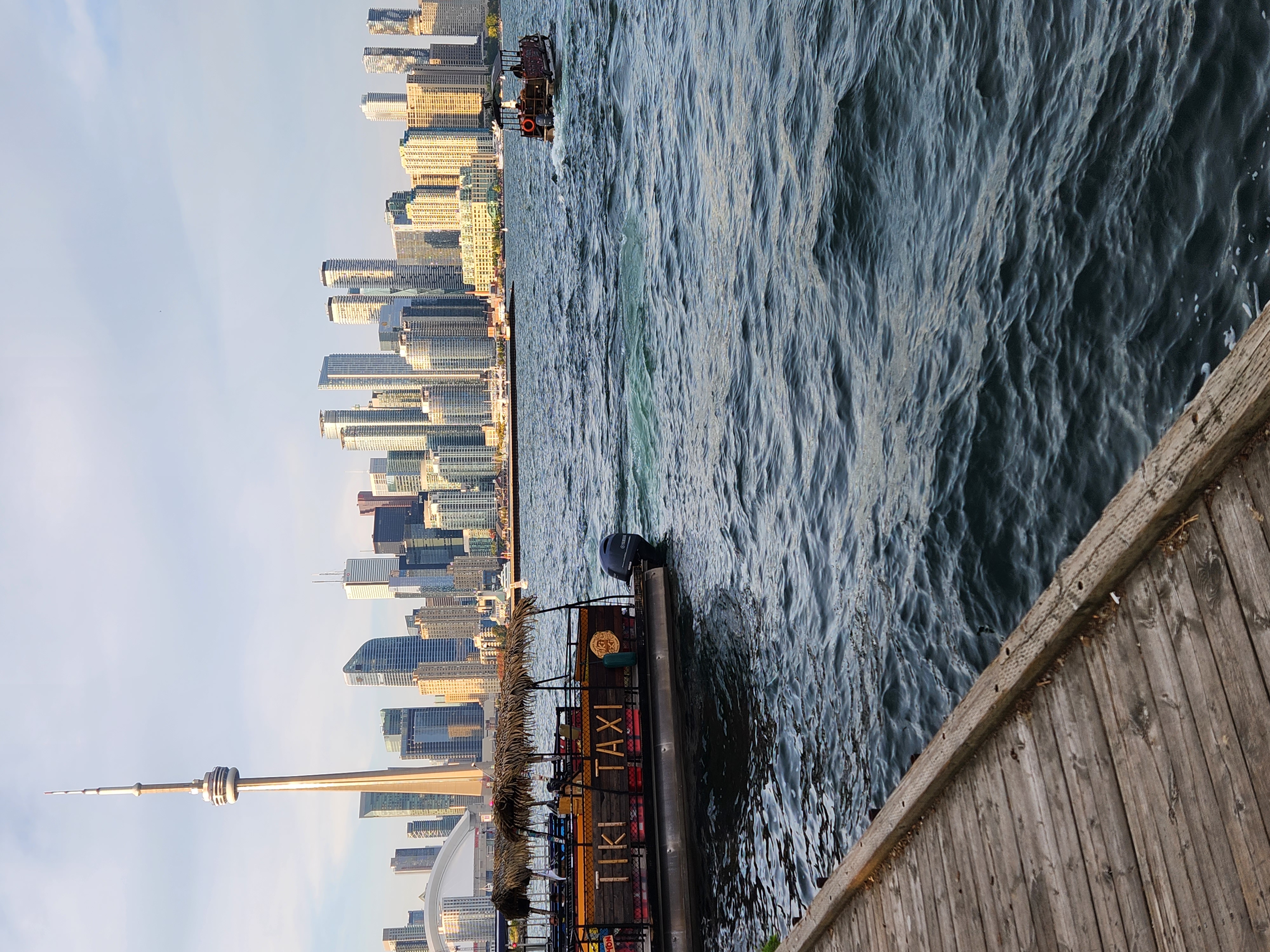
Toronto is already the province’s tourism anchor, generating $7–$10 billion annually. Its skyline, sports teams, multicultural food scene, and entertainment districts make it one of North America’s most dynamic urban destinations.
But Toronto’s growth potential remains vast. The city’s convention capacity lags behind global competitors. Hotel supply is tight. Transit links to surrounding regions are inconsistent. And major international events , from film festivals to sports championships , require long-term planning and investment.
The 2026 World Cup will bring unprecedented global attention. But to capitalize on it, Toronto must position itself as a permanent host for large-scale events, not a one-off venue.
2. Niagara Region: The International Icon
Niagara Falls attracts 14 million visitors annually, yet the region’s tourism economy remains heavily seasonal and concentrated around a few attractions.
To grow, Niagara must expand into:
- Luxury tourism
- Culinary and wine tourism
- Adventure tourism
- Year-round festivals and events
Better transportation links between Toronto and Niagara , including faster rail service ,would unlock billions in new spending.
3. Ottawa: Culture, History, and Diplomacy
Ottawa generates $2–$3 billion in tourism spending each year, driven by its museums, national celebrations, and political institutions.
But Ottawa’s potential lies in:
- Modernizing national museums
- Expanding convention facilities
- Hosting international political, cultural, and academic events
As Canada’s capital, Ottawa is uniquely positioned to attract global gatherings , if the infrastructure is there.
4. Muskoka and Cottage Country: The Luxury Frontier
Muskoka is one of the most valuable but under-measured tourism regions in the province. Its lakes, resorts, and luxury properties attract high-income visitors from across North America.
With investment in:
- Year-round tourism
- Eco-friendly resorts
- High-end culinary and wellness experiences
Muskoka could become one of Canada’s premier luxury destinations.
5. Kingston and Thousand Islands: The Underrated Gem
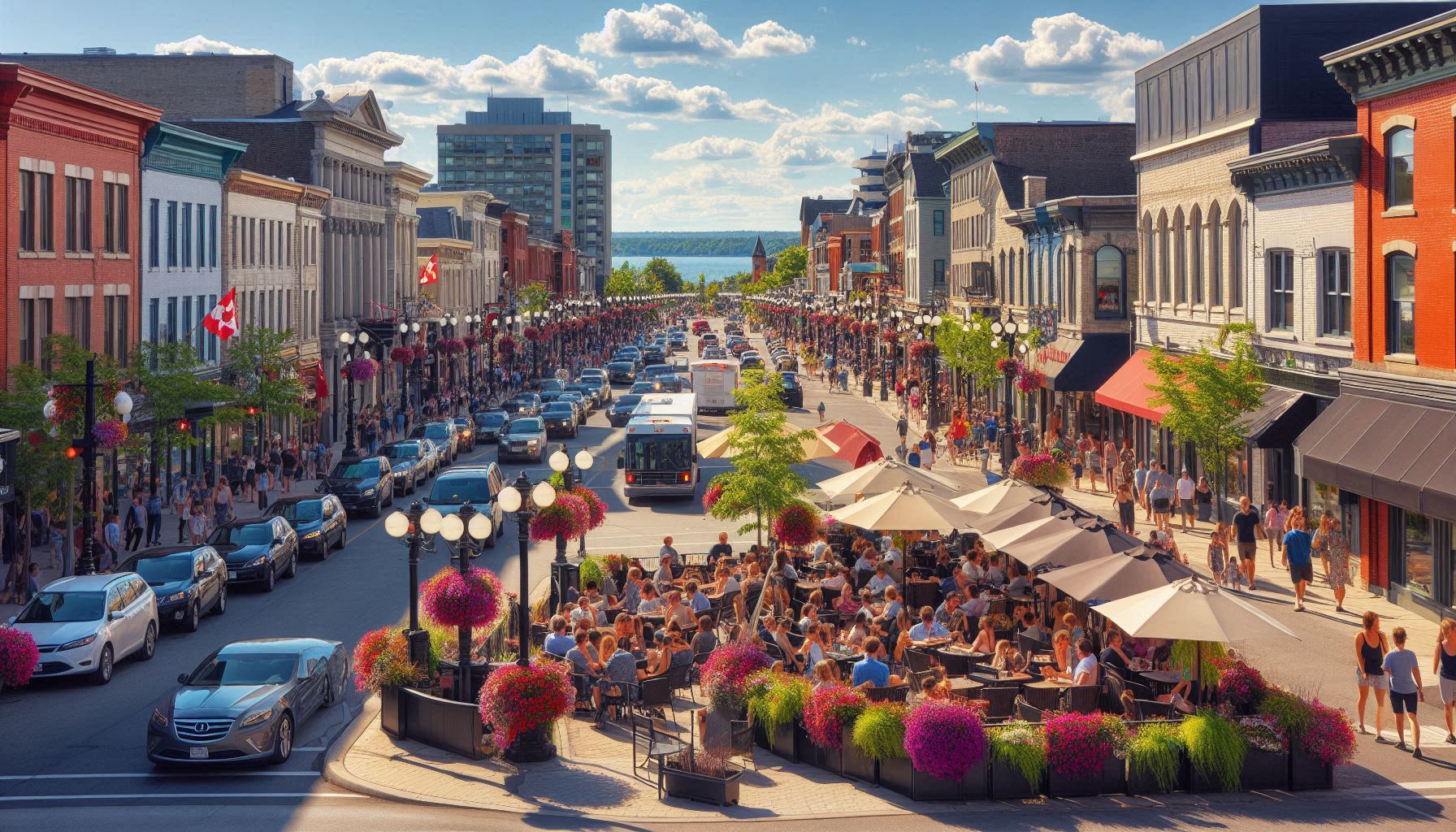
Kingston’s waterfront, historic sites, and proximity to Ottawa, Toronto, and Montreal make it a natural tourism hub. Yet it remains underdeveloped compared to its potential.
Investment in:
- Cruise tourism
- Waterfront redevelopment
- Heritage tourism
could transform Kingston into a major regional destination.
6. Waterloo Region: Tech, Innovation, and Business Travel
Waterloo is not traditionally seen as a tourism region, but its tech sector, universities, and innovation ecosystem attract global visitors.
With a modern convention centre and targeted marketing, Waterloo could become a major business-tourism destination.
7. Northern Ontario: The Untapped Giant
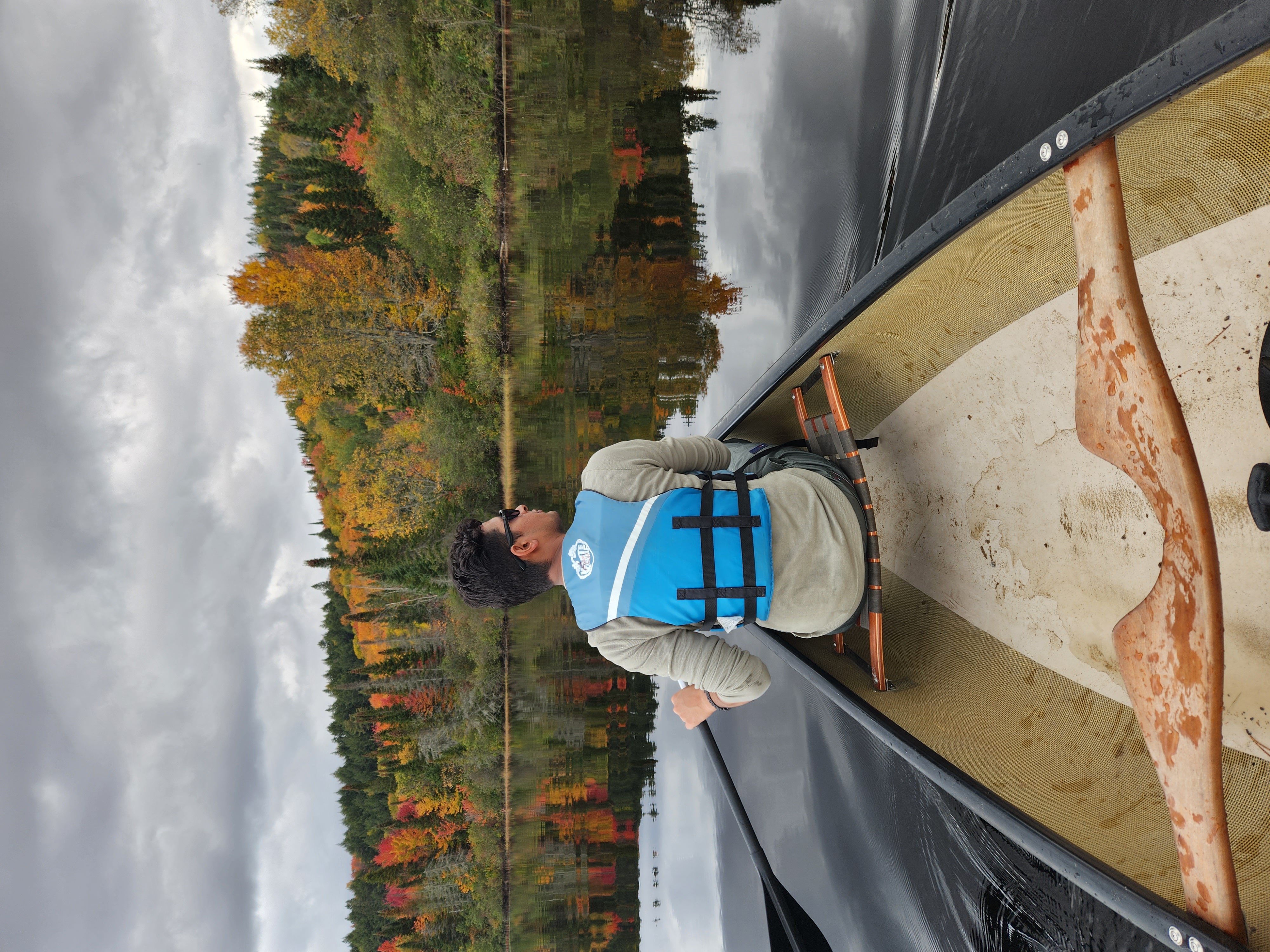
Northern Ontario represents the province’s greatest long-term opportunity. Its lakes, forests, and Indigenous communities offer experiences that cannot be replicated elsewhere.
But the region faces challenges:
- Limited transportation links
- Underinvestment in tourism infrastructure
- Seasonal accessibility
Strategic investment could unlock billions in new spending while supporting sustainable development and Indigenous tourism leadership.
Connectivity: The Missing Link in Ontario’s Tourism Strategy
If Ontario wants to compete globally, it must improve how visitors move across the province.
Key priorities include:
- High-speed rail between Toronto, Ottawa, and Niagara
- Expanded regional air service to Northern Ontario
- Integrated tourism corridors linking major attractions
- Improved public transit in urban centres
- Digital connectivity for remote and rural tourism operators
Without better connectivity, Ontario’s tourism regions will remain isolated and growth will remain limited.
Hosting Global Events: The Fastest Path to Growth
Ontario’s co-hosting of the 2026 FIFA World Cup is a once-in-a-generation opportunity. But it should not be the last.
Large-scale events bring:
- International media coverage
- Infrastructure investment
- Long-term tourism growth
- Job creation
- Global branding
Ontario should aggressively pursue:
- International sports championships
- Global cultural festivals
- Technology and innovation summits
- International film and arts events
- Environmental and sustainability conferences
These events do more than fill hotels , they reshape global perceptions.
Jobs and Economic Benefits: A Province-Wide Impact
Tourism already supports over 816,000 jobs in Ontario. A $60-billion tourism economy could push that number well above 1 million jobs by 2040.
These jobs span:
- Hospitality
- Transportation
- Retail
- Entertainment
- Food services
- Event management
- Construction
- Digital and creative industries
Tourism is one of the most inclusive job creators in the economy, offering opportunities for youth, newcomers, and workers across all education levels.
Investing in Ontario’s Tourism Future
To reach $60 billion by 2040, Ontario must invest strategically in:
1. Infrastructure
- High-speed rail
- Airport expansion
- Roads and transit
- Digital connectivity
2. Regional Development
- Northern Ontario tourism hubs
- Waterfront redevelopment
- Indigenous tourism partnerships
3. Workforce Training
- Hospitality programs
- Event management
- Culinary arts
- Tourism entrepreneurship
4. Marketing and Branding
- Global campaigns
- Digital storytelling
- International partnerships
5. Sustainability
- Eco-friendly tourism
- Conservation-based development
- Climate-resilient infrastructure
A Vision for 2040
If Ontario embraces a bold, coordinated tourism strategy, the province could emerge as one of the world’s premier travel destinations by 2040 , a place where visitors come not only for the waterfalls and festivals, but for the culture, the innovation, the wilderness, and the sense of possibility.
A $60-billion tourism economy is not a dream. It is a choice.
And the decisions Ontario makes today ,about infrastructure, connectivity, regional investment, and global engagement , will determine whether the province becomes a global tourism leader or remains a regional competitor.
The opportunity is here. The world is watching. And the next decade will decide the future of Ontario’s tourism economy.