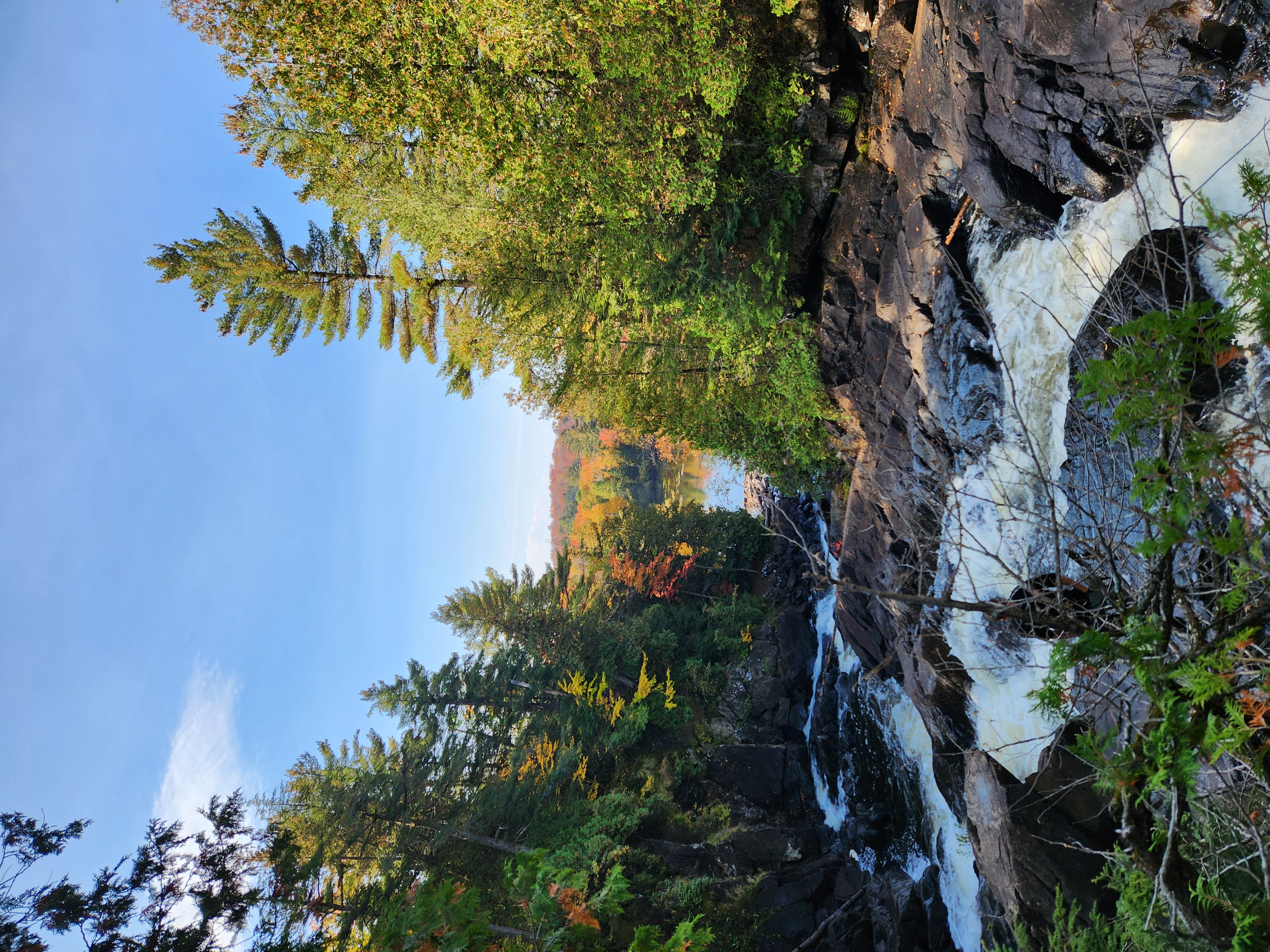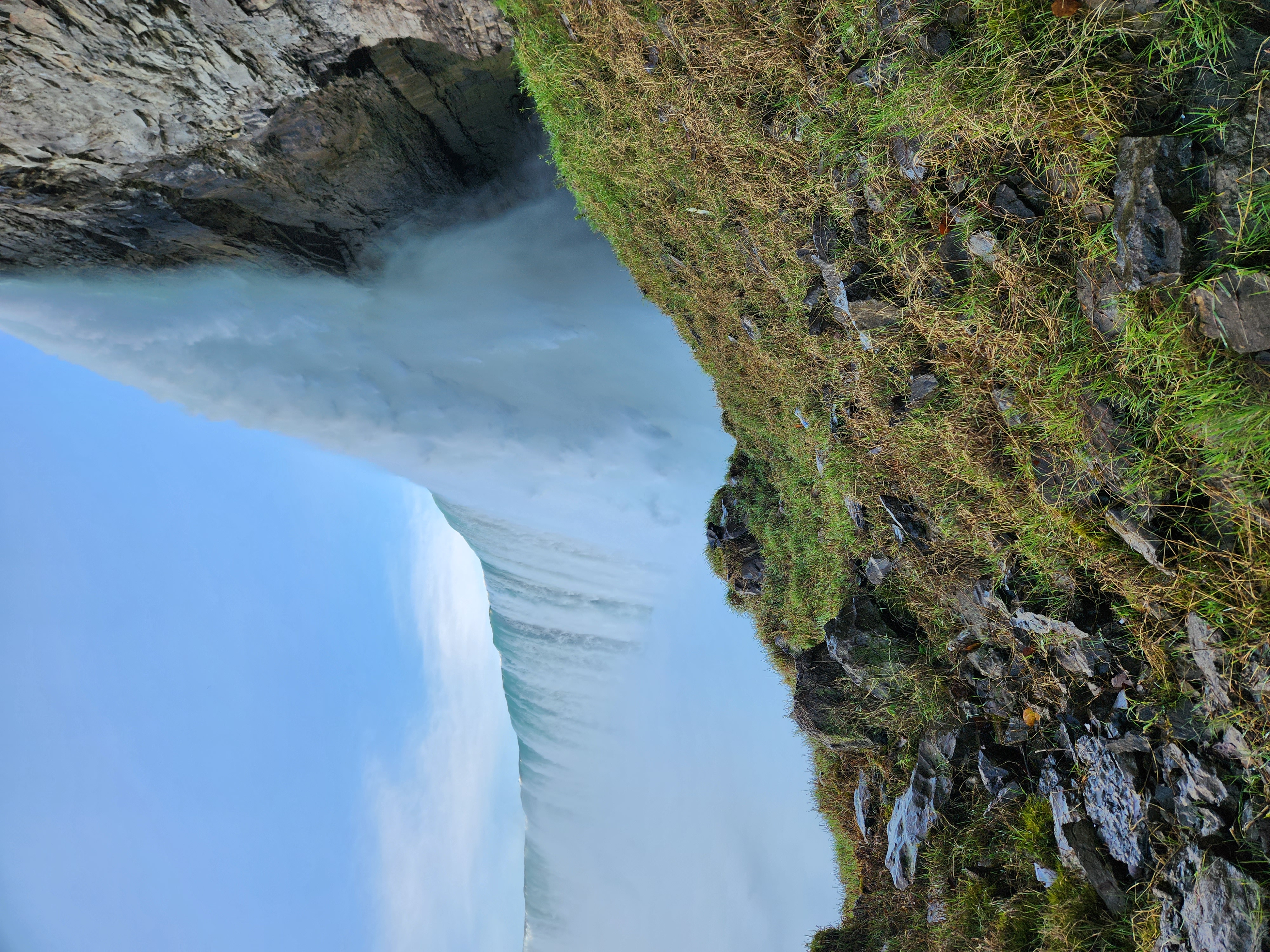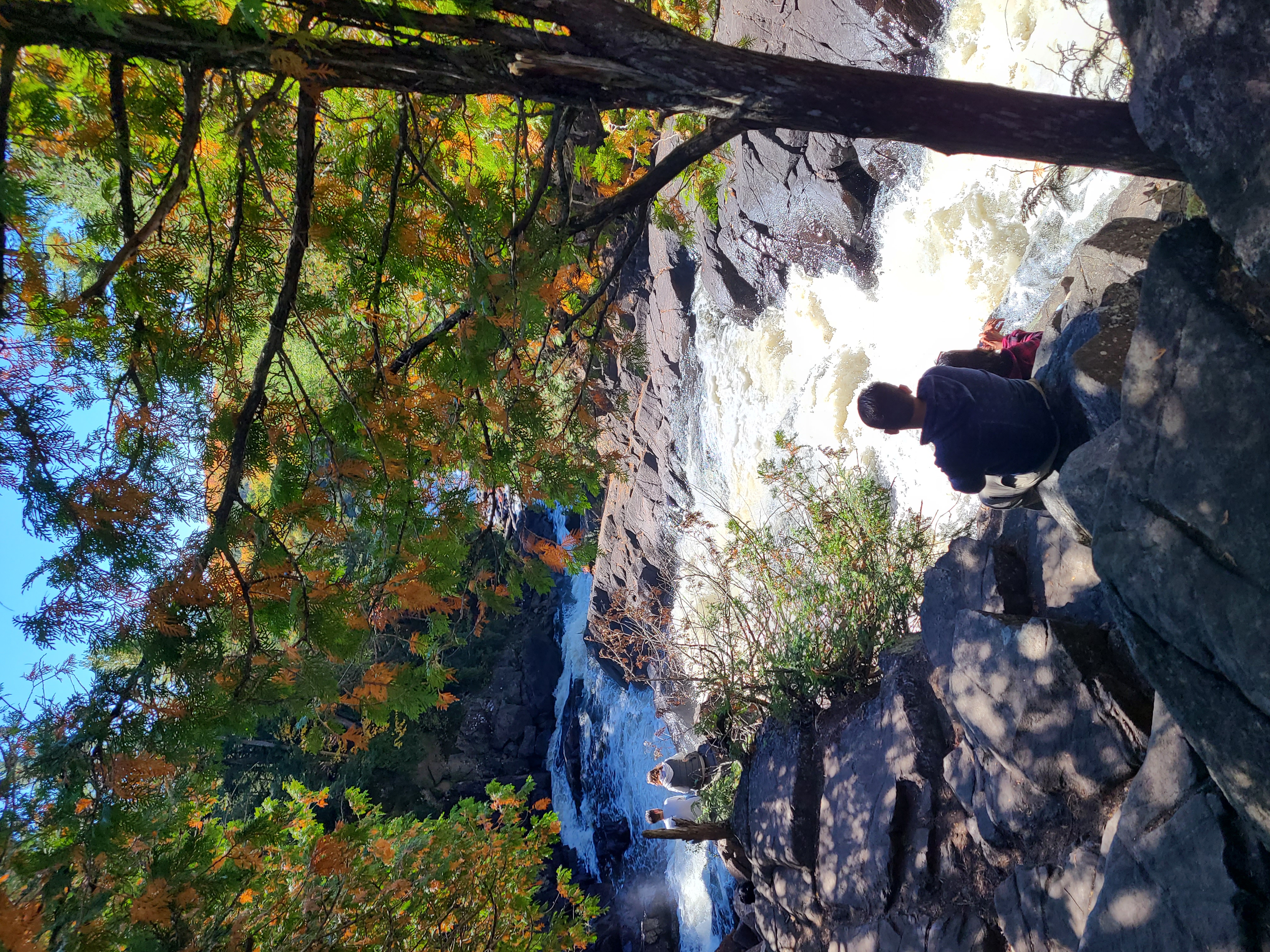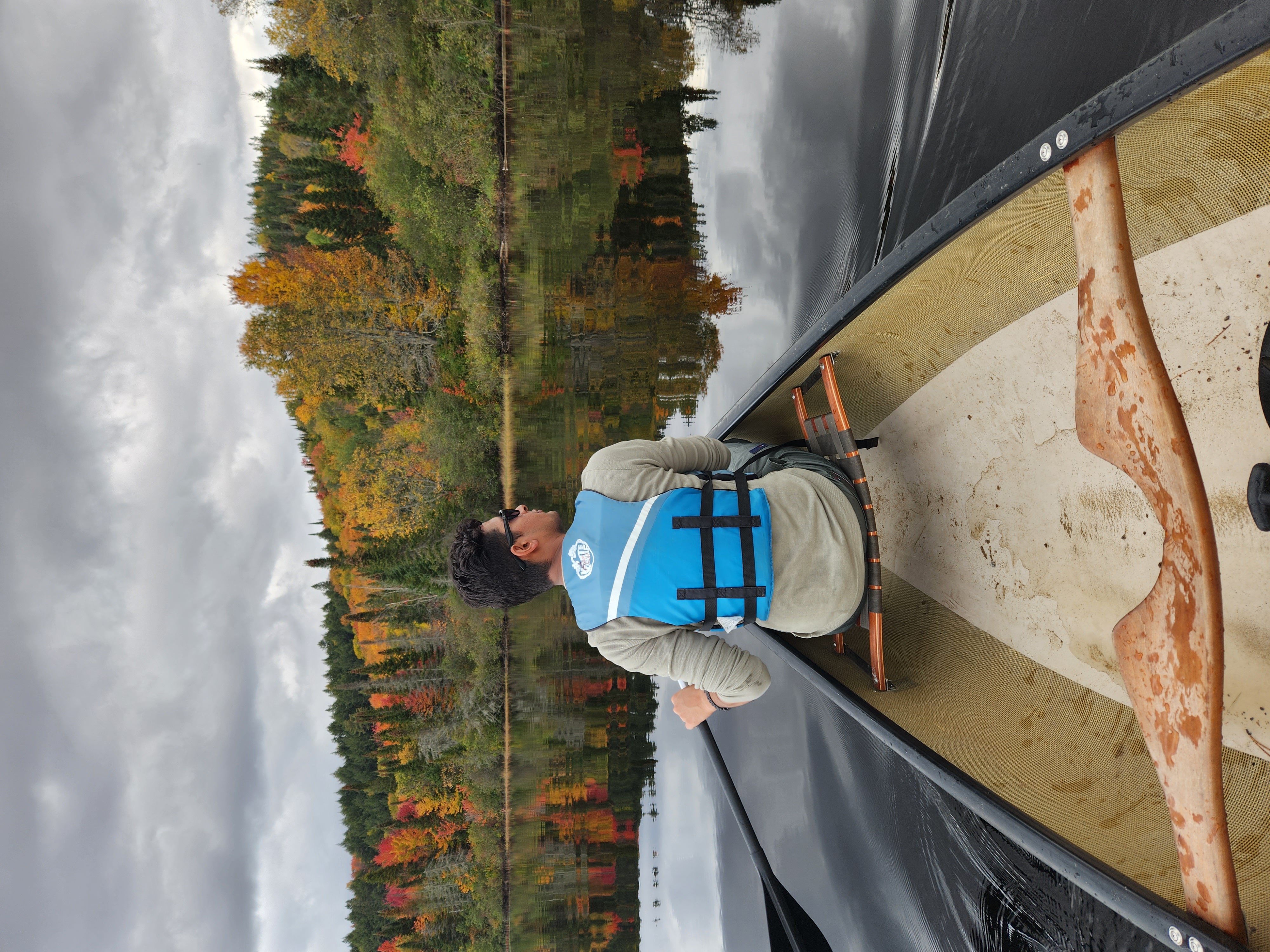
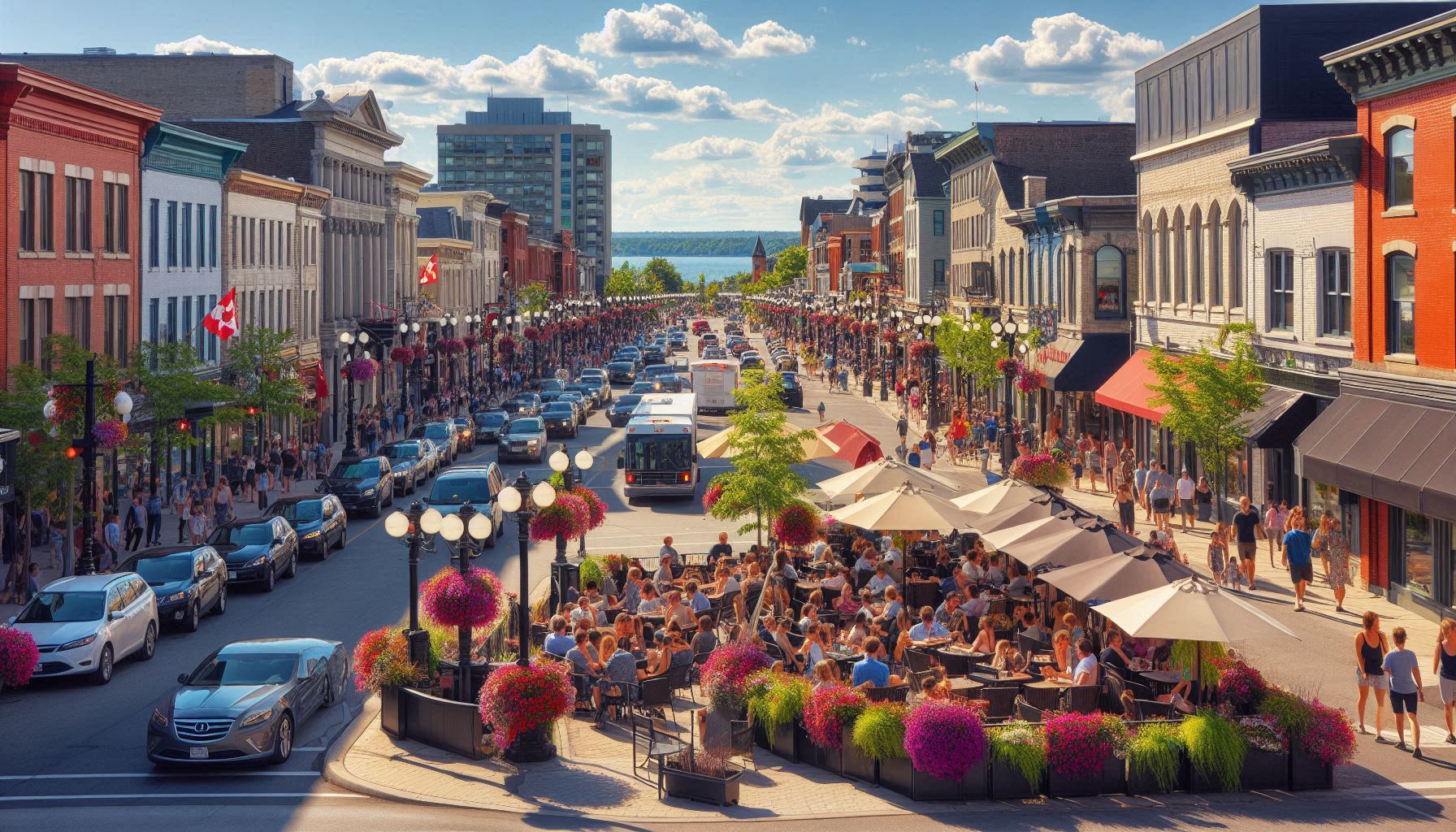
For decades, Ontario’s tourism narrative has been dominated by Toronto’s skyline, Niagara Falls’ thunderous spectacle, and Ottawa’s national museums. Yet beyond these iconic destinations lies a vast, underdeveloped tourism frontier , the lakes, forests, small towns, and natural sanctuaries that define the soul of Canada’s most populous province.
Nowhere is this more evident than in Muskoka, a region that has long been celebrated as one of North America’s premier summer escapes. With its shimmering lakes, pine-lined shores, and postcard-perfect towns like Huntsville, Bracebridge, and Gravenhurst, Muskoka is a global brand in its own right. But despite its popularity, the region and many others like it, remains dramatically underutilized.
Ontario’s tourism season in these areas is often compressed into 8 to 10 peak weeks, leaving enormous economic potential untapped. If Ontario were to expand tourism activity to six or seven months of the year, the province could unlock billions in new economic output, create tens of thousands of jobs, and position itself as a global leader in nature-based, sustainable tourism.
This is not just an economic argument. It is a strategic one , a blueprint for how Ontario can build a more resilient, diversified, and regionally balanced economy.
A Province Sitting on a Tourism Goldmine
Ontario already generates between $45 billion and $60 billion annually from tourism, depending on the year and methodology. Tourism supports more than 816,000 jobs, making it one of the province’s largest employers , larger than mining, forestry, and even parts of manufacturing.
Yet the distribution of this economic activity is uneven. Toronto, Ottawa, and Niagara dominate the numbers, while regions like Muskoka, Georgian Bay, the Kawarthas, Algonquin, and Northern Ontario operate far below their potential.
The irony is striking:
Ontario has some of the most beautiful natural landscapes in the world, yet many of these regions lack the infrastructure, investment, and year-round tourism strategy needed to fully capitalize on them.
Muskoka alone could anchor a multi-billion-dollar expansion of Ontario’s tourism economy , if the province chooses to invest strategically.
Why Muskoka Should Be Ontario’s Next Tourism Powerhouse
Muskoka is already a household name across Canada and the United States. It has been featured in National Geographic, Condé Nast Traveler, and countless travel publications. Celebrities vacation there. International visitors seek it out. The demand is not the problem.
The challenge is capacity.
1. Limited accommodations
During peak summer months, hotels and resorts in Muskoka operate at near-full occupancy. Cottage rentals are booked months in advance. Restaurants struggle to keep up with demand. Yet outside July and August, many businesses scale back or close entirely.
2. Seasonal workforce shortages
Because the season is short, many employers cannot offer year-round jobs. This makes it difficult to attract and retain skilled workers.
3. Insufficient transportation links
Muskoka Airport has enormous potential but remains underutilized. Highway congestion from Toronto discourages weekend travel. Public transit options are minimal.
4. Lack of large-scale investment
While Muskoka has boutique resorts and historic lodges, it lacks the volume of modern hotels, wellness retreats, and international-standard facilities needed to support sustained tourism growth.
If Ontario wants to grow its tourism economy, Muskoka is the most obvious place to start.
Expanding Tourism to 6–7 Months: A Game-Changing Opportunity
Ontario’s natural regions are not just summer destinations. They can thrive from April to October, and even beyond with winter tourism.
Here’s what a 6–7 month tourism season would unlock:
1. Thousands of new jobs
Longer seasons mean:
Full-time hospitality positions
Year-round restaurant operations
Stable employment for tour operators
More construction, retail, and transportation jobs
Tourism could easily support 1 million jobs in Ontario by 2040.
2. Stronger regional economies
Communities like Huntsville, Bracebridge, Parry Sound, Haliburton, and North Bay could see:
Higher local tax revenues
More small business growth
Increased real estate development
Greater year-round population stability
3. A more balanced provincial economy
Ontario’s economic activity is heavily concentrated in the GTA.
Expanding regional tourism would distribute growth more evenly across the province.
4. A path to a $60-billion tourism economy
With strategic investment, Ontario can realistically reach $60 billion in annual tourism revenue by 2040 , a target that aligns with global trends and Canada’s national tourism ambitions.
Why Ontario Must Invest in Tourism Now
Tourism is not just about leisure. It is a high-impact economic engine that drives:
Job creation
Infrastructure development
International branding
Cultural exchange
Regional revitalization
Ontario has invested heavily in manufacturing, technology, and financial services — but tourism has not received the same level of strategic attention.
To unlock the full potential of regions like Muskoka, Ontario must take bold steps.
Policy Recommendation 1: Strategic Investment in Regional Tourism Infrastructure
Ontario should treat tourism infrastructure the same way it treats highways, transit, and industrial development.
Key investments should include:
Expanding Muskoka Airport into a major regional gateway
Improving highways and transit links from Toronto to cottage country
Building new trails, marinas, waterfronts, and public spaces
Supporting Indigenous tourism partnerships
Funding year-round attractions and festivals
Enhancing digital infrastructure for remote regions
These investments would pay for themselves through increased tourism spending and job creation.
Policy Recommendation 2: Tax Incentives to Attract Hotel, Resort, and Restaurant Development
Ontario should consider targeted tax incentives to encourage private investment in tourism infrastructure.
Potential incentives include:
Property tax breaks for new hotels and resorts in regions like Muskoka, Huntsville, and Haliburton
Capital investment tax credits for tourism-related construction
Sales tax rebates for major tourism developments
Low-interest financing for eco-friendly resorts and wellness retreats
Grants for small businesses opening restaurants, cafés, or attractions in regional areas
These incentives would attract investors who currently see Ontario’s tourism sector as high-cost and high-risk.
Why incentives matter
British Columbia, Alberta, and Quebec have all used targeted tourism incentives to grow their regional economies.
Ontario risks falling behind if it does not adopt similar strategies.
Policy Recommendation 3: A Regional Tourism Growth Strategy Focused on Muskoka and Beyond
Ontario needs a long-term, region-specific tourism strategy that includes:
1. Muskoka as a flagship destination
Position Muskoka as:
Canada’s premier nature-luxury destination
A global wellness and retreat hub
A four-season outdoor adventure region
2. Huntsville as a development anchor
Huntsville has the infrastructure, charm, and location to become a major tourism hub.
Ontario should encourage:
New hotels
Boutique resorts
Culinary districts
Arts and cultural festivals
3. Expanding to other regions
Georgian Bay
Kawarthas
Algonquin
Haliburton Highlands
Northern Ontario
Each region has unique strengths that can be developed with targeted investment.
Policy Recommendation 4: Hosting More International Events
Ontario is co-hosting the 2026 FIFA World Cup, a once-in-a-generation opportunity.
But one event is not enough.
Ontario should aggressively pursue:
International sports tournaments
Global outdoor adventure competitions
International film, arts, and culinary festivals
Tech and innovation conferences hosted in regional towns
Eco-tourism and sustainability summits
These events bring:
International visitors
Media exposure
Infrastructure investment
Long-term tourism growth
The Economic Case: Why Tourism Investment Benefits All of Canada
Tourism is one of the few industries where:
Jobs cannot be outsourced
Spending stays local
Growth benefits small towns as much as big cities
A stronger Ontario tourism sector strengthens Canada’s national economy.
National benefits include:
Higher GDP
Increased federal tax revenue
More international visitors to Canada
Stronger global branding
Greater economic diversification
If Ontario reaches $60 billion in tourism revenue by 2040, Canada could surpass $150 billion nationally, making tourism one of the country’s top economic drivers.
A Vision for 2040: What Ontario Could Become
Imagine an Ontario where:
Muskoka is a world-renowned, year-round destination
Huntsville has become a thriving tourism and cultural hub
Regional airports connect Ontario to global markets
New hotels, restaurants, and resorts create tens of thousands of jobs
Visitors from around the world explore Ontario’s lakes, forests, and small towns
Tourism revenue surpasses $60 billion annually
Canada becomes a global leader in sustainable nature tourism
This vision is not unrealistic.
It is achievable ,but only if Ontario chooses to invest boldly.
Conclusion: Ontario’s Moment Is Now
Ontario stands at a crossroads.
The province can continue relying on a narrow set of tourism destinations, or it can unlock the full potential of its natural regions — starting with Muskoka.
By investing in infrastructure, offering tax incentives, supporting regional development, and attracting global events, Ontario can transform its tourism sector into a year-round economic powerhouse.
The opportunity is enormous.
The demand is already there.
The benefits would be felt across the province and across Canada.
Ontario has the landscapes, the talent, and the global brand.
Now it needs the vision , and the investment , to turn its tourism potential into a $60-billion reality.