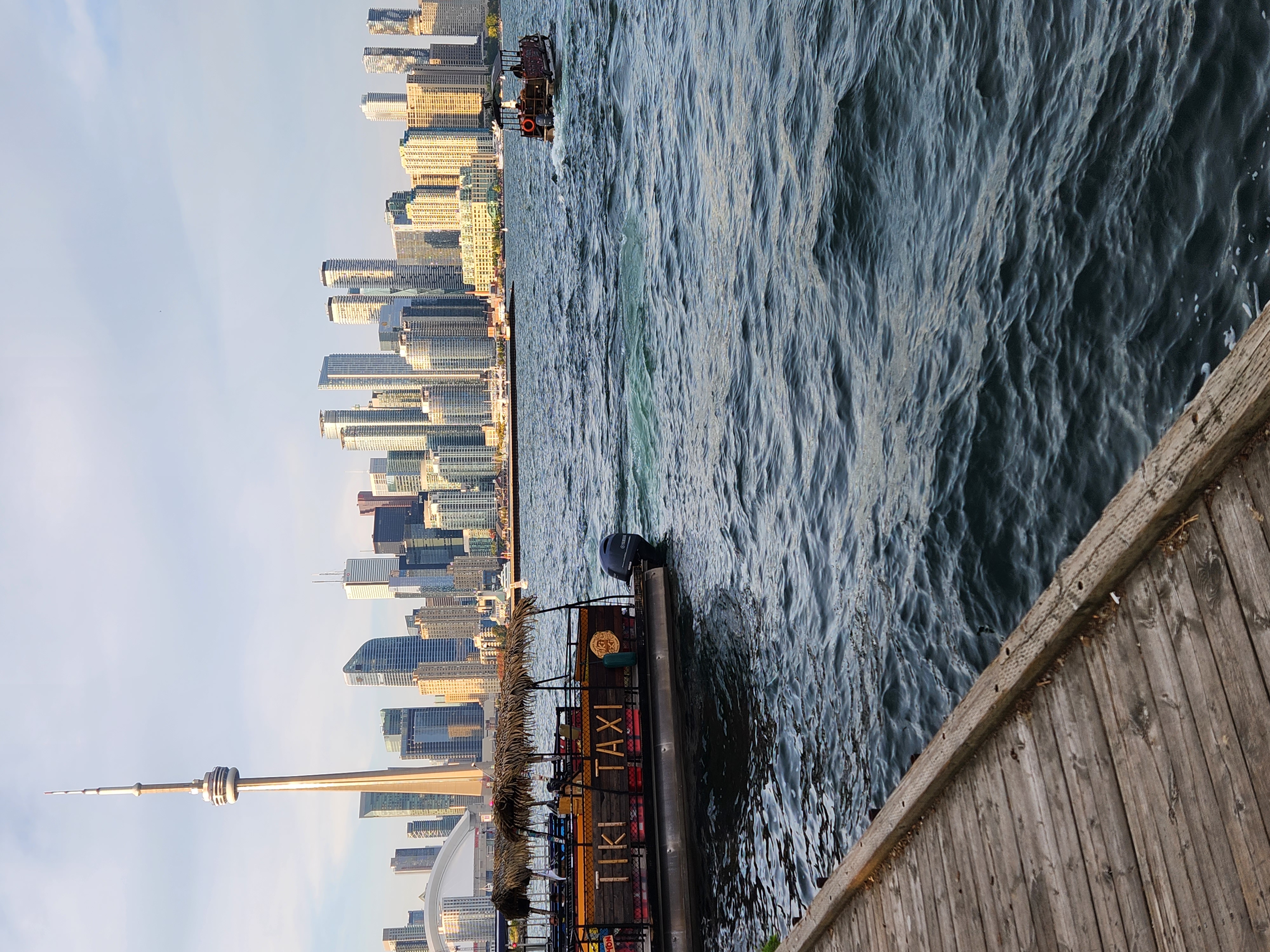

Ontario is at a demographic crossroads. With rapid immigration, natural growth, and Canada’s commitment to attracting skilled workers, the province’s population is expected to surge well past 20 million within the next decade. The Greater Toronto Area (GTA) is already overcrowded: housing costs are among the highest in North America, commute times are some of the longest, and infrastructure, from highways to hospitals, is under immense strain.
The question is not whether Ontario will grow, but where and how it will grow. Continuing to funnel millions more residents into the GTA will only deepen the crisis. A more strategic and visionary approach is required: the creation of new cities and expansion of existing urban centres along Ontario’s transportation corridors.
The Case for New Cities
Ontario’s urban geography is lopsided. Roughly half the province’s population is concentrated in and around Toronto, while vast stretches of southern and eastern Ontario remain underdeveloped. At the same time, many mid-sized cities London, Windsor, Kingston, Barrie, are reaching their own growth limits.
Building new cities can achieve several objectives:
Alleviate pressure on the GTA by offering affordable housing and employment alternatives.
Distribute economic activity across the province, making Ontario less dependent on Toronto.
Leverage existing infrastructure like Highway 401, rail corridors, and upcoming high-speed rail proposals.
Plan smarter by designing cities with modern infrastructure from the ground up: energy-efficient buildings, high-density transit-oriented communities, and green spaces.
This approach has been used successfully in other countries. The United States developed new hubs like Irvine, California; the United Kingdom built Milton Keynes; China has created multiple new cities linked by high-speed rail. Ontario can do the same.
Proposed New Cities Along the Windsor–Toronto–Kingston Corridor
The backbone of Ontario is the 401 corridor, stretching from Windsor in the southwest through London, Kitchener-Waterloo, Toronto, and eastward to Kingston. This corridor already handles the bulk of trade with the United States, manufacturing, logistics, and education (home to multiple universities). It is the ideal place to build planned cities that can absorb population while staying connected to Toronto and Ottawa.
Suggested New City Locations:
Southwest Corridor (Windsor–London)
A new city halfway between Windsor and London, designed as a logistics and advanced manufacturing hub.
Could support 300,000–500,000 people over 20–30 years, taking advantage of proximity to the U.S. border.
London Expansion Zone
London itself will grow rapidly, but an entirely new city east of London could act as a commuter and tech hub.
With rail connectivity, this city could house another 400,000 residents while keeping housing affordable.
Golden Horseshoe Relief City
Between Kitchener-Waterloo and Toronto, the land is already filling up. But a new town west of Mississauga, planned with vertical housing and high-speed rail links, could act as a relief valve for the GTA.
Eastern Corridor (Cobourg–Kingston)
The stretch between Cobourg and Kingston has limited urbanization. A planned city near Belleville/Trenton could grow into a thriving hub of 300,000–400,000 people, supporting eastern Ontario’s economy and easing pressure on Ottawa and Toronto alike.
Expansion of Existing Cities
While new cities are essential, Ontario should also supercharge growth in existing mid-sized urban centres.
London: With better transit links, London could grow beyond its current 400,000 to 1 million residents, becoming a true secondary hub.
Kitchener-Waterloo-Cambridge: Already Canada’s tech heartland, this tri-city region could double to 1.2 million with planned transit and housing.
Kingston: Positioned midway between Toronto, Ottawa, and Montreal, Kingston could grow into a university-driven city of 500,000+.
Windsor: With EV and automotive investments, Windsor could attract far more workers if housing and infrastructure scale up.
A Northern Strategy
Southern Ontario cannot be the only focus. As climate change alters settlement patterns and northern infrastructure improves, Ontario should plan for one or two new northern hub cities.
North of Barrie: Currently, Barrie acts as a bedroom community for the GTA. A new planned city further north between Orillia and Gravenhurst could absorb 250,000–300,000 residents and stimulate the Muskoka/northern economy.
Sudbury/North Bay Expansion: Both cities have untapped potential. With investments in rail and digital connectivity, they could each grow significantly, creating balanced growth across the province.
Building Smart, Building Green
The opportunity to design new cities is also the opportunity to avoid the mistakes of the past. Rather than sprawling suburbs and car-dependent highways, Ontario’s new urban centres should prioritize:
High-speed rail and electric transit as the backbone of mobility.
Vertical, mixed-use communities with affordable housing at the core.
Smart energy systems with renewable power and sustainable water management.
Job clusters , manufacturing, logistics, green technology, education , so residents don’t need to commute long distances.
Conclusion
Ontario is entering a new era of growth. If all population pressures continue to funnel into the GTA, the result will be unaffordable housing, endless congestion, and declining quality of life. Instead, Ontario must think boldly: build four to five new cities along the Windsor–Toronto–Kingston corridor, establish one or two northern hubs, and strategically expand existing mid-sized cities.
This vision would create space for millions of new residents, balance the provincial economy, and lay the groundwork for a sustainable, prosperous Ontario in 2050 and beyond.