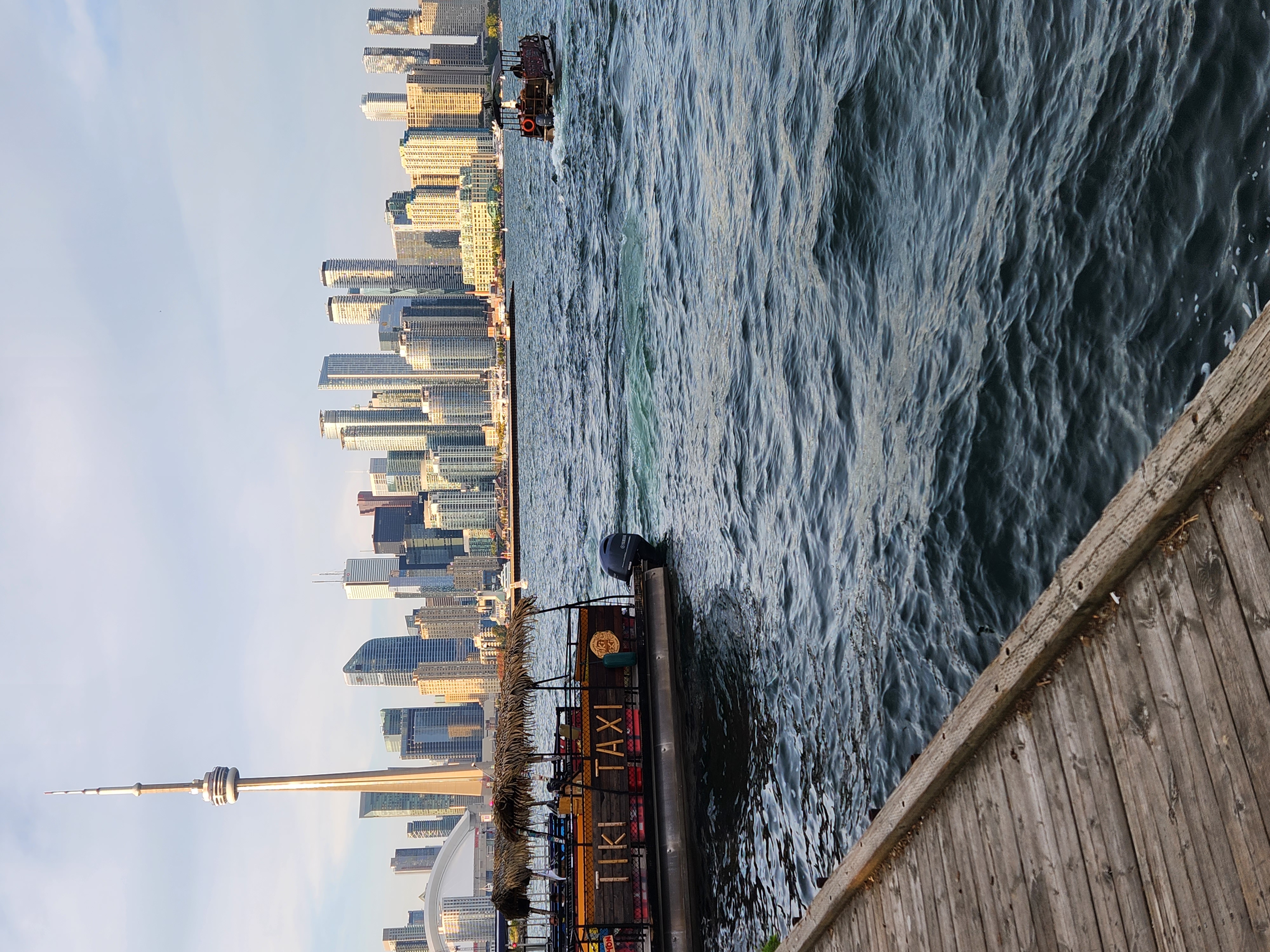

Toronto’s traffic woes are no longer just a nuisance, they’re a structural bottleneck choking productivity, quality of life, and climate goals. With population growth projected to exceed 10 million in the Greater Toronto Area (GTA) by 2046, the city’s reliance on car-centric infrastructure is unsustainable. Fortunately, a bold subway expansion strategy is underway, with projects like the Ontario Line, Eglinton Crosstown, and Scarborough Subway Extension poised to reshape urban mobility. Here's how a 20-year subway buildout can decisively address Toronto’s traffic challenges.
The Scale of the Problem: Gridlock and Lost Time
Toronto ranks among North America’s most congested cities. Commuters routinely spend over 100 hours a year stuck in traffic. Key corridors like the Don Valley Parkway, Gardiner Expressway, and Highway 401 are chronically jammed, especially during peak hours. This congestion:
- Costs billions in lost productivity
- Worsens air pollution and carbon emissions
- Reduces access to jobs, education, and healthcare
- Strains mental health and family time
The root cause? A mismatch between population growth and transit infrastructure. While the GTA has added millions of residents, subway expansion has lagged behind, forcing more people into cars.
Subway Expansion: A 20-Year Vision
Toronto’s subway expansion plan is not just ambitious,it’s essential. Over the next two decades, the city and province aim to add over 100 km of new rapid transit lines, including:
- Ontario Line: A 15.6 km line from Exhibition Place to the Ontario Science Centre, bypassing downtown bottlenecks
- Eglinton Crosstown LRT (Line 5): A 19 km east-west corridor with 25 stations, plus a 9.2 km westward extension
- Scarborough Subway Extension: Replacing the aging RT with a 7.8 km extension of Line 2
- Yonge North Subway Extension: Extending Line 1 into Richmond Hill, linking York Region to downtown
- GTA Transit 2050 Plan: A visionary map of incremental extensions to existing lines, enabling seamless regional travel
These projects are designed to integrate with GO Transit, local buses, and future busways, creating a multimodal network that rivals global transit leaders.
How Subway Expansion Solves Traffic Challenges
1. Reduces Car Dependency
Each new subway line offers a high-capacity alternative to driving. For example, the Ontario Line is expected to carry up to 388,000 riders daily, removing tens of thousands of cars from the road.
2. Unlocks Faster Commutes
Subways bypass surface congestion entirely. The Ontario Line will cut travel time between Exhibition and Science Centre from 45 minutes to just 30. The Eglinton Crosstown will halve east-west travel times across midtown.
3. Connects Underserved Areas
Scarborough, Etobicoke, and North York have long suffered from poor transit access. Subway expansion brings high-speed mobility to these communities, reducing commute times and boosting equity.
4. Supports Regional Growth
The Yonge North Extension and GO integration allow people to live in outer suburbs while accessing downtown jobs in under an hour—relieving housing pressure and decentralizing traffic.
5. Boosts Economic Productivity
Faster commutes mean more time for work, family, and leisure. Businesses benefit from better employee access and reduced delivery delays. The Toronto Region Board of Trade estimates that every $1 billion invested in transit yields $2–3 billion in economic returns.
6. Improves Air Quality and Climate Resilience
Subways are electric and low-emission. Shifting commuters from cars to transit reduces greenhouse gases, helping Toronto meet its net-zero goals. Fewer cars also mean less road wear and stormwater runoff.
Urban Transformation: Beyond Transit
Subway expansion isn’t just about mobility, it’s about reshaping the city:
- Transit-Oriented Development (TOD): New stations attract housing, retail, and jobs, creating walkable, vibrant communities.
- Land Value Uplift: Property near transit sees higher demand, boosting municipal revenues.
- Public Realm Improvements: Station areas often include parks, bike lanes, and pedestrian zones.
Toronto’s future subway network will enable a shift from car-centric sprawl to compact, connected urbanism.
Moreover, phased construction and public-private partnerships can spread costs over time, while federal and provincial funding reduce municipal burden.
Strategic Recommendations for the Next 20 Years
To maximize impact, Toronto should:
- Accelerate approvals and construction timelines
- Integrate fare systems across TTC, GO, and regional transit
- Prioritize underserved areas like Rexdale, Jane-Finch, and Thorncliffe Park
- Ensure accessibility and safety at all stations
- Leverage data to optimize service and reduce bottlenecks
A Global Benchmark
Cities like Seoul, Paris, and Tokyo have shown that sustained subway investment transforms urban life. Toronto has the talent, funding, and vision to join their ranks,if it commits to the long game.
In conclusion, subway expansion is Toronto’s best hope for solving its traffic crisis. Over the next 20 years, it can deliver faster commutes, cleaner air, equitable access, and economic vitality. The tracks we lay today will shape the city for generations.