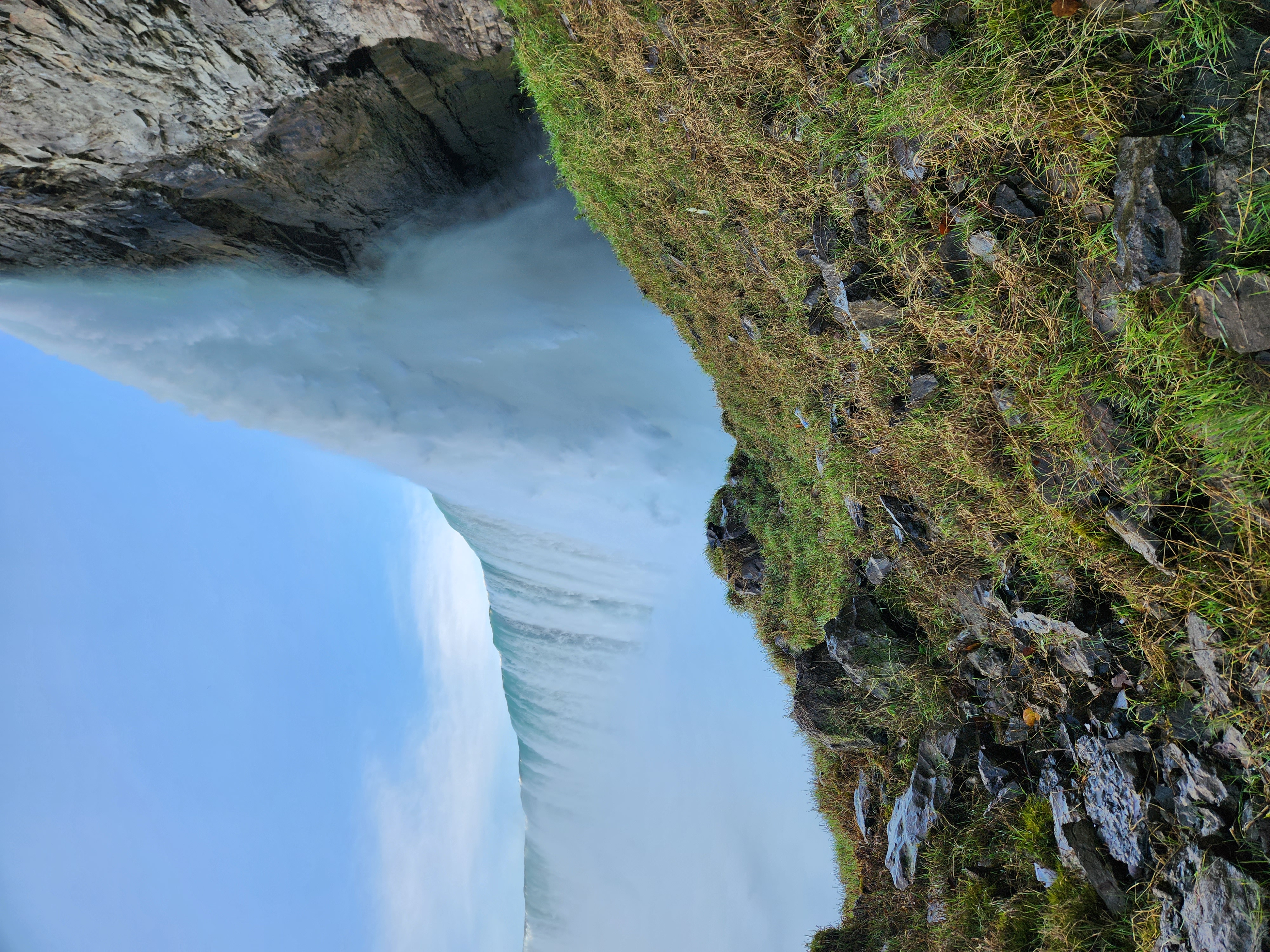
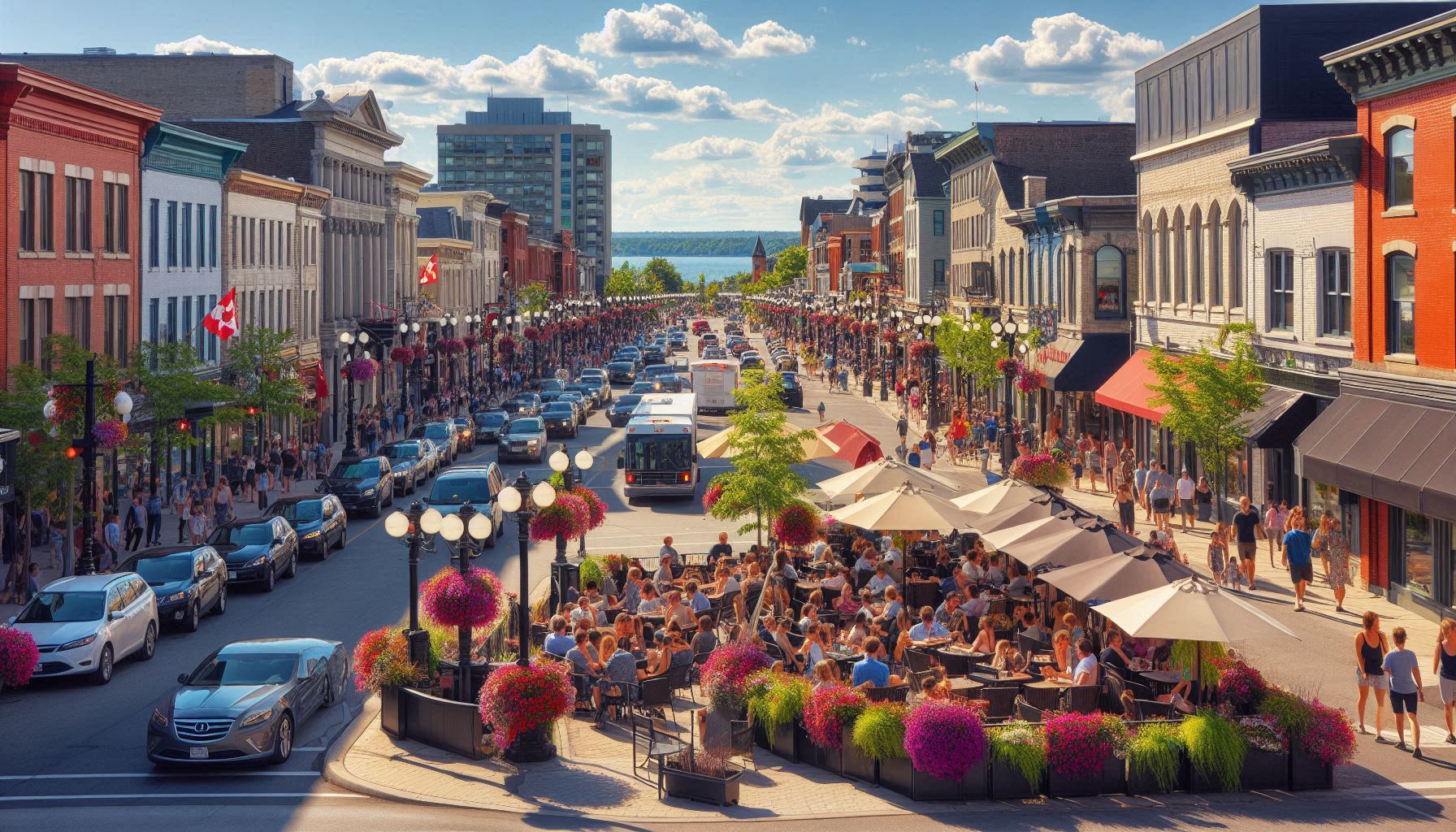
Niagara Falls is one of the most iconic natural wonders in the world. Every year, millions of visitors flock to Ontario to witness the breathtaking power of the Horseshoe Falls, enjoy the surrounding attractions, and experience the unique blend of natural beauty and entertainment. Yet, despite its global fame, Niagara’s potential as a tourism hub remains underdeveloped compared to destinations like Las Vegas or Macau.
The idea of expanding Niagara Falls into a full entertainment corridor , stretching 5 to 10 kilometers outward ,has been floated by policymakers and industry leaders. Such a transformation could create thousands of jobs, attract billions in investment, and position Ontario as a global entertainment capital. At the same time, it raises important questions about environmental sustainability, infrastructure, and community impact. This article explores the vision, costs, benefits, challenges, and timeline of turning Niagara into the “Las Vegas of the North.”
Niagara Falls Today: A Natural Anchor
Niagara Falls already attracts millions of tourists annually, making it one of Canada’s most visited destinations. The region boasts:
- Two major casinos (Fallsview Casino Resort and Casino Niagara).
- Luxury hotels and resorts overlooking the Falls.
- Wine tourism in nearby Niagara-on-the-Lake.
- Family attractions such as Clifton Hill, water parks, and museums.
- Cultural festivals and theatre productions.
Despite this, Niagara’s entertainment offering is fragmented. Visitors often come for the Falls, spend a day or two, and leave. Unlike Las Vegas, which encourages extended stays with a dense strip of attractions, Niagara lacks a continuous entertainment corridor that keeps tourists engaged for longer periods.
The Vision: Expanding Niagara 5–10 km Outward
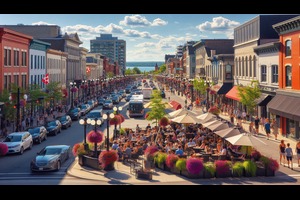
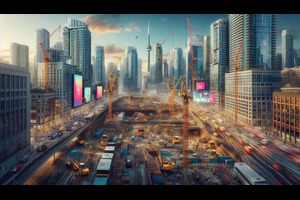
The proposed vision involves expanding Niagara Falls outward by 5–10 kilometers, creating a continuous strip of entertainment, hospitality, and cultural attractions. This corridor would include:
- Expanded Casinos and Resorts: New luxury hotels, themed resorts, and expanded gaming facilities.
- Amusement Park: A large-scale family attraction comparable to Disney or Universal parks.
- Convention Centers: Facilities to host international conferences, trade shows, and expos.
- Shopping and Dining Districts: High-end retail, outlet malls, and diverse dining options.
- Sports and Entertainment Venues: Stadiums, concert halls, and theatres.
- Wine and Eco-Tourism Integration: Linking the strip with Niagara-on-the-Lake’s vineyards and parks.
- Transit Infrastructure: GO Transit extensions, shuttle buses, and potentially a light rail loop.
- Airport Expansion: Upgrading Niagara District Airport or building a new regional hub.
This expansion would transform Niagara from a natural attraction into a multi-day entertainment destination, encouraging tourists to stay longer and spend more.
Cost Estimates
Developing Niagara into a Las Vegas-style corridor would require multi-billion dollar investment. Based on comparable projects:
- Core Entertainment Expansion (casinos, hotels, amusement park):
$5–10 billion CAD over 10–15 years.
- Infrastructure (roads, transit, airport, utilities):
$2–5 billion CAD.
- Environmental Safeguards (green building, conservation zones):
$500 million–$1 billion CAD.
Total Estimated Cost: $8–15 billion CAD.
Timeline
Such a transformation would unfold in phases:
- Phase 1 (0–5 years):
Expand existing casinos, build new hotels, improve transit links, and begin branding Niagara as “Entertainment Capital of the North.”
- Phase 2 (5–10 years):
Construct amusement park, convention centers, luxury shopping districts, and high-rise towers. Integrate wine tourism and eco-friendly attractions.
- Phase 3 (10–15 years):
Complete full corridor expansion, upgrade airport, and establish a mature ecosystem of entertainment, nightlife, and eco-tourism.
Benefits
1. Economic Growth
Tourism already contributes over $30 billion annually to Ontario’s economy. Expanding Niagara could add billions more, making it a cornerstone of provincial growth.
2. Job Creation
Construction, hospitality, retail, and entertainment would create tens of thousands of jobs, both during development and in ongoing operations.
3. Global Branding
Positioning Niagara as the “Las Vegas of the North” would elevate Ontario’s global profile, attracting international tourists from the U.S., Europe, and Asia.
4. Diversified Tourism
By offering casinos, amusement parks, shopping, and cultural attractions, Niagara would appeal to families, business travelers, and nightlife seekers alike.
5. Infrastructure Improvements
Transit and airport upgrades would benefit residents as well as tourists, improving connectivity across the region.
Challenges
1. Environmental Concerns
Niagara Falls is a natural wonder, and over-commercialization risks damaging its beauty. Expansion must include green building codes, buffer zones, and eco-friendly transit to protect the environment.
2. Community Impact
Local residents may worry about traffic, housing affordability, and cultural changes. Community consultation and inclusive planning are essential.
3. Competition
Las Vegas and Macau are established global brands. Niagara would need sustained investment and marketing to compete.
4. Infrastructure Gaps
Current transit and airport facilities are insufficient for large-scale tourism. Major upgrades are costly and time-consuming.
5. Public Opinion
Some Ontarians may resist turning Niagara into a commercial hub, preferring to preserve its natural character.
Balancing Growth with Sustainability
The success of this vision depends on balancing economic growth with environmental stewardship. Strategies include:
- Green Building Standards: LEED-certified hotels and resorts.
- Transit-First Planning: Prioritize trains, buses, and light rail over cars.
- Conservation Zones: Protect sightlines and ecosystems around the Falls.
- Eco-Tourism Integration: Promote vineyards, parks, and cultural festivals alongside entertainment.
By embedding sustainability into every phase, Ontario can ensure Niagara remains a natural wonder while becoming a global entertainment hub.
Conclusion
Niagara Falls already attracts millions of visitors each year, making it a natural anchor for tourism. Expanding outward by 5–10 kilometers could transform the region into a “Las Vegas of the North,” generating billions in revenue, creating thousands of jobs, and elevating Ontario’s global profile.
The cost ,estimated at $8–15 billion CAD over 10–15 years ,is significant, but the potential benefits outweigh the challenges if development is carefully planned. By keeping the environment in check, engaging communities, and investing in infrastructure, Ontario can build a tourism corridor that balances natural beauty with modern entertainment.
Niagara Falls has always been a symbol of power and wonder. With vision, investment, and sustainability, it could also become a symbol of prosperity ,a place where nature and entertainment coexist, drawing the world to Canada’s doorstep.