
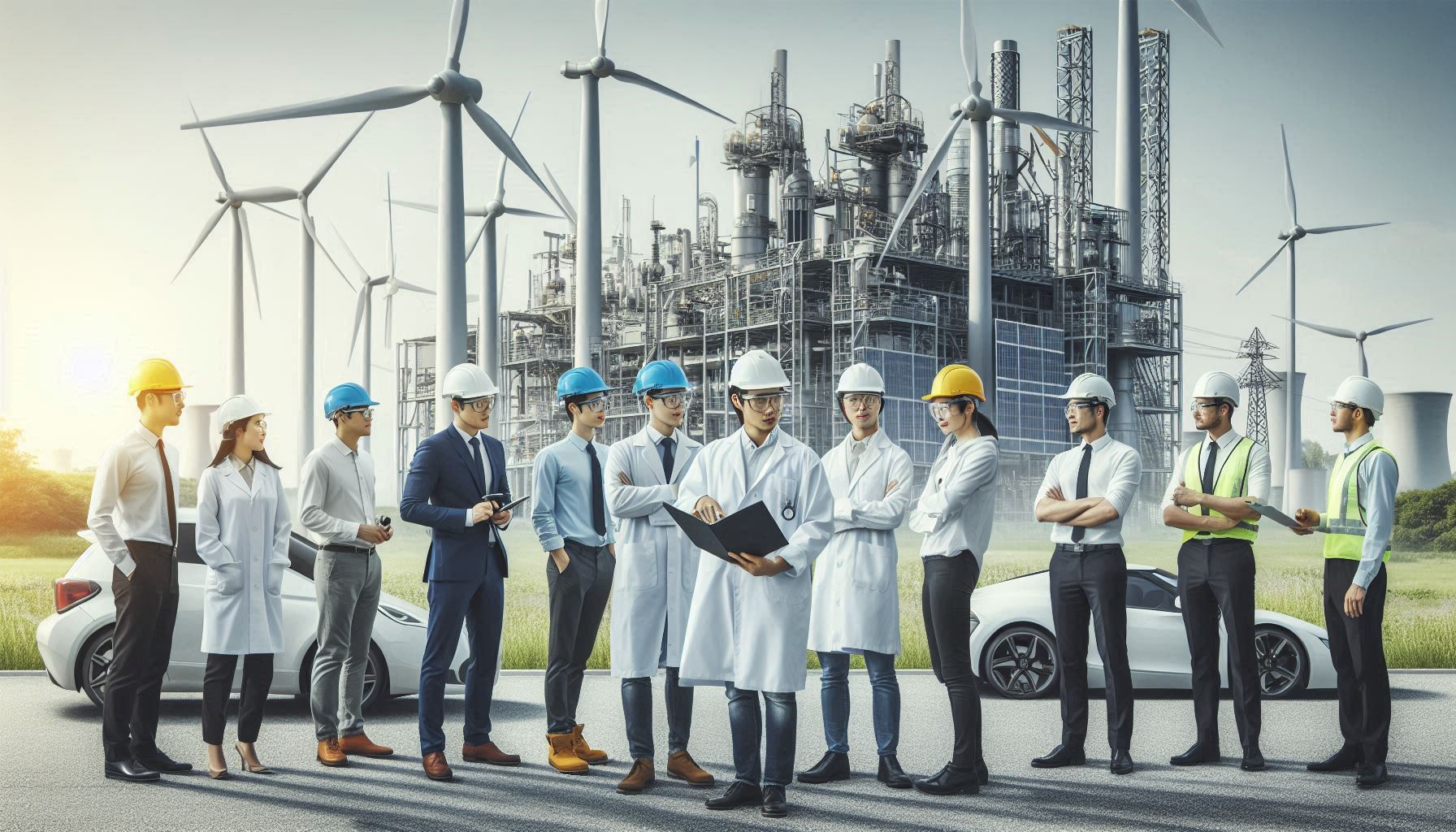
Canada is one of the world’s most energy-rich countries. From oil and natural gas to hydroelectricity, uranium, and emerging clean energy technologies, Canada has the resources to be a global energy powerhouse. Yet today, the vast majority of Canada’s energy exports go to only one market: the United States. While the U.S. is a reliable and important partner, this over-dependence limits Canada’s ability to maximize its economic and geopolitical potential.
At the same time, Asia is experiencing one of the fastest growth rates in global energy demand. Countries like China, India, Japan, South Korea, Vietnam, Indonesia, and others are rapidly industrializing, urbanizing, and transitioning to cleaner energy systems. This creates a major opportunity for Canada to diversify its energy export markets and significantly increase national income.
This article explores how Canada can expand energy exports to Asia, what challenges must be addressed, and how doing so can benefit Canada economically, strategically, and environmentally.
1. Canada’s Current Energy Export Situation
Canada is one of the top energy producers in the world:
It is the fourth-largest oil producer globally.
It holds the third-largest proven oil reserves after Venezuela and Saudi Arabia.
It is the fifth-largest natural gas producer.
It is also a major exporter of uranium, hydroelectricity, and renewable technologies.
Despite this strong position, over 85–90% of Canada’s energy exports go to the United States. This is primarily due to geography, pipelines, and long-standing trade relationships.
While the U.S. market has provided stability, it also creates risks:
If U.S. demand declines due to electrification or domestic production increases, Canada’s revenues could fall.
Canada has limited pricing power when it relies heavily on one customer.
Trade conflicts or policy changes in the U.S. could significantly hurt Canada.
Diversifying into Asian markets can help Canada reduce these risks and gain access to faster-growing economies.
2. Why Asia Is a Key Market for Energy
Asia is now the center of global energy demand growth.
Major Factors Driving Asian Energy Demand:
a. Rapid Industrial Growth
Countries like China, India, Vietnam, and Indonesia are expanding their manufacturing sectors and infrastructure at massive scales. This requires enormous amounts of energy.
b. Growing Middle Class
As incomes rise, energy consumption increases,more vehicles, appliances, air conditioning, and electricity use.
c. Energy Transition
Many Asian countries are reducing coal use and shifting to cleaner fuels like natural gas and renewable energy. This opens doors for Canadian LNG and clean energy technologies.
d. Energy Security Concerns
Asian countries want reliable, stable suppliers not tied to volatile regions. Canada, as a politically stable and resource-rich democracy, is an attractive option.
3. How Canada Can Export More Energy to Asia
3.1 Expanding LNG (Liquefied Natural Gas) Exports
Liquefied Natural Gas is one of Canada’s biggest opportunities.
LNG allows natural gas to be cooled into liquid form and transported by ship.
Canada’s west coast offers direct access to Asian markets.
Actions Required:
Support development of LNG terminals in British Columbia.
Expand pipeline infrastructure from Alberta to the BC coast.
Streamline regulatory approvals while maintaining environmental standards.
Speed up project timelines compared to global competitors like Qatar, Australia, and the U.S.
With existing projects like LNG Canada in Kitimat, Canada is already moving in this direction, but more projects are required to make a real impact.
Benefits:
Asian countries can use Canadian LNG to replace coal, reducing global emissions while Canada earns export revenue.
3.2 Building West Coast Export Infrastructure
To export more energy to Asia, Canada needs physical access to the Pacific.
Key infrastructure investments include:
Pipelines to the west coast.
Expansion of port facilities for crude oil, LNG, and hydrogen.
Deep-sea terminals for large energy tankers.
Canada currently lacks sufficient pipeline routes to its west coast compared to routes into the United States. This limits access to Asian markets.
Investing in this infrastructure:
Enables higher export volumes.
Reduces transportation bottlenecks.
Improves global competitiveness.
3.3 Clean Energy and Critical Minerals
Asia is heavily investing in renewable energy, electric vehicles, and battery technology. Canada is rich in critical minerals needed for this transition.
Canada can export:
Uranium for nuclear power (especially to countries like Japan, South Korea, and India).
Hydrogen fuel (green hydrogen from hydroelectricity).
Lithium, nickel, cobalt, and rare earth elements for battery manufacturing.
Nuclear technology and small modular reactors (SMRs).
This positions Canada not just as a fossil fuel supplier, but as a long-term energy transition partner.
3.4 Energy Diplomacy and Trade Agreements
Canada must also strengthen its diplomatic and trade relationships with Asian nations.
Key steps include:
Expanding free trade agreements with Indo-Pacific countries.
Creating energy partnership programs.
Participating in Asian energy forums and infrastructure projects.
Supporting Canadian companies entering Asian markets.
Energy exports are not just economic,they are strategic and geopolitical tools.
4. Economic Benefits for Canada
Expanding energy exports to Asia would have significant economic advantages:
4.1 Increased National Revenue
More export markets mean:
Higher energy prices for Canadian producers.
Increased tax revenues.
Improved trade balance.
This money can be reinvested into healthcare, infrastructure, innovation, and green energy.
4.2 Job Creation
Energy projects create jobs in:
Construction
Engineering
Manufacturing
Transportation
Technology
These are high-paying, skilled jobs across multiple provinces, especially Alberta, BC, Saskatchewan, and Newfoundland & Labrador.
4.3 Economic Diversification
Energy growth supports other industries:
Technology (AI for energy management)
Manufacturing
Research and development
Clean energy innovation
This reduces over-reliance on only housing, real estate, or U.S. trade.
5. Strategic and Geopolitical Benefits
5.1 Reducing Overdependence on the U.S.
Exporting more to Asia gives Canada stronger negotiating power with the U.S., and protects it from economic shocks.
5.2 Strengthening Indo-Pacific Strategy
Canada has released an Indo-Pacific strategy to increase engagement in Asia. Energy exports fit perfectly into this plan by:
Strengthening ties with key allies like Japan, South Korea, and India.
Supporting energy security in democratic nations.
Reducing dependence of Asian nations on unstable suppliers.
5.3 Global Influence
Energy is power. Countries that supply energy shape global politics. By becoming a major energy partner to Asia, Canada increases its strategic importance globally.
6. Environmental Considerations
Some critics worry that expanding energy exports contradicts Canada’s climate goals. However, this depends on how it is implemented.
a. LNG vs Coal
If Canadian LNG replaces coal in Asia, global carbon emissions can actually decrease.
b. Investment in Carbon Capture
Canada can use revenues from energy exports to fund carbon capture and clean technology projects.
c. Clean Energy Exports
By exporting hydroelectric power, hydrogen, uranium, and green technologies, Canada contributes to the global energy transition.
This makes energy exports part of the solution, not just the problem.
7. Key Challenges Canada Must Address
While the opportunity is huge, there are real challenges:
Slow regulatory approvals make projects less competitive.
Infrastructure gaps limit export volume.
Domestic political divisions on energy projects.
Competition from the U.S., Qatar, and Australia.
Environmental opposition and concerns.
Canada must balance economic growth with environmental responsibility and Indigenous partnerships.
8. What Canada Needs to Do Now
To succeed in exporting energy to Asia, Canada must:
Fast-track energy infrastructure projects responsibly.
Build stronger Asian trade relationships.
Invest in LNG, hydrogen, clean energy, and critical minerals.
Support Indigenous participation and ownership in energy projects.
Balance climate goals with economic opportunities.
Conclusion
Canada is sitting on one of the greatest energy opportunities of the 21st century. While the United States will always remain a key trading partner, Canada must look westward across the Pacific to Asia. The world’s energy future is increasingly being shaped there.
By exporting oil, natural gas, LNG, clean energy, hydrogen, uranium, and critical minerals to Asia, Canada can diversify its economy, create high-quality jobs, increase government revenues, and strengthen its global influence.
At the same time, it can support global decarbonization by helping Asian nations transition from coal to cleaner energy sources.
If done strategically, responsibly, and with long-term vision, energy exports to Asia can become one of Canada’s strongest pillars of economic growth for decades to come.