Trade disputes often spill over into unexpected areas of economic life. In the case of Canada and the United States, tariffs imposed by the U.S. on Canadian goods have triggered not only political tensions but also a grassroots boycott of U.S. tourism by Canadian travelers. This boycott has become a symbolic protest against trade policies, while simultaneously reshaping tourism flows, consumer spending, and regional economies.
This article explores the economic, social, and political impacts of the Canadian tourism boycott, drawing on recent data and industry analysis.
Background: Tariffs and Rising Tensions
- In 2025, the U.S. imposed 35% tariffs on Canadian goods, targeting industries such as steel, aluminum, and automotive.
- These tariffs were framed as measures to reduce trade deficits but were widely perceived in Canada as punitive and politically motivated.
- In response, Canadian consumers began a “Boycott America” movement, avoiding U.S. products and destinations.
Tourism quickly became a visible arena for this protest, as Canadians—traditionally the largest group of foreign visitors to the U.S.,curtailed their travel south of the border.
Decline in Canadian Tourism to the U.S.
Statistics reveal a sharp decline:
- Air travel from Canada to the U.S. fell by 21–24% year-over-year.
- Land crossings dropped by 30–33%, devastating border towns reliant on Canadian visitors.
- Overall, Canadian visitors,who previously accounted for 28% of all international arrivals to the U.S.,declined significantly, costing billions in lost revenue.
The U.S. Travel Association estimated that the boycott could cost the American economy up to $20 billion annually, with tens of thousands of tourism-related jobs at risk.
Economic Impact on the United States
Border Communities
- Towns in northern states such as New York, Vermont, Montana, and Washington rely heavily on Canadian tourists.
- Businesses reported steep declines in sales, with restaurants, hotels, and retail outlets hardest hit.
- Seasonal attractions like ski resorts and shopping centers saw cancellations and reduced bookings.
National Tourism Industry
- The U.S. had forecasted growth in international tourism for 2025, but the Canadian boycott reversed these expectations.
- A projected 3.2% decline in international tourism spending equated to a $5.7 billion loss.
- Airlines and hospitality chains reported reduced demand, forcing discounts and promotional campaigns to lure back Canadian travelers.
Impact on Canada
Domestic Tourism Boom
- Canadians redirected spending toward domestic destinations.
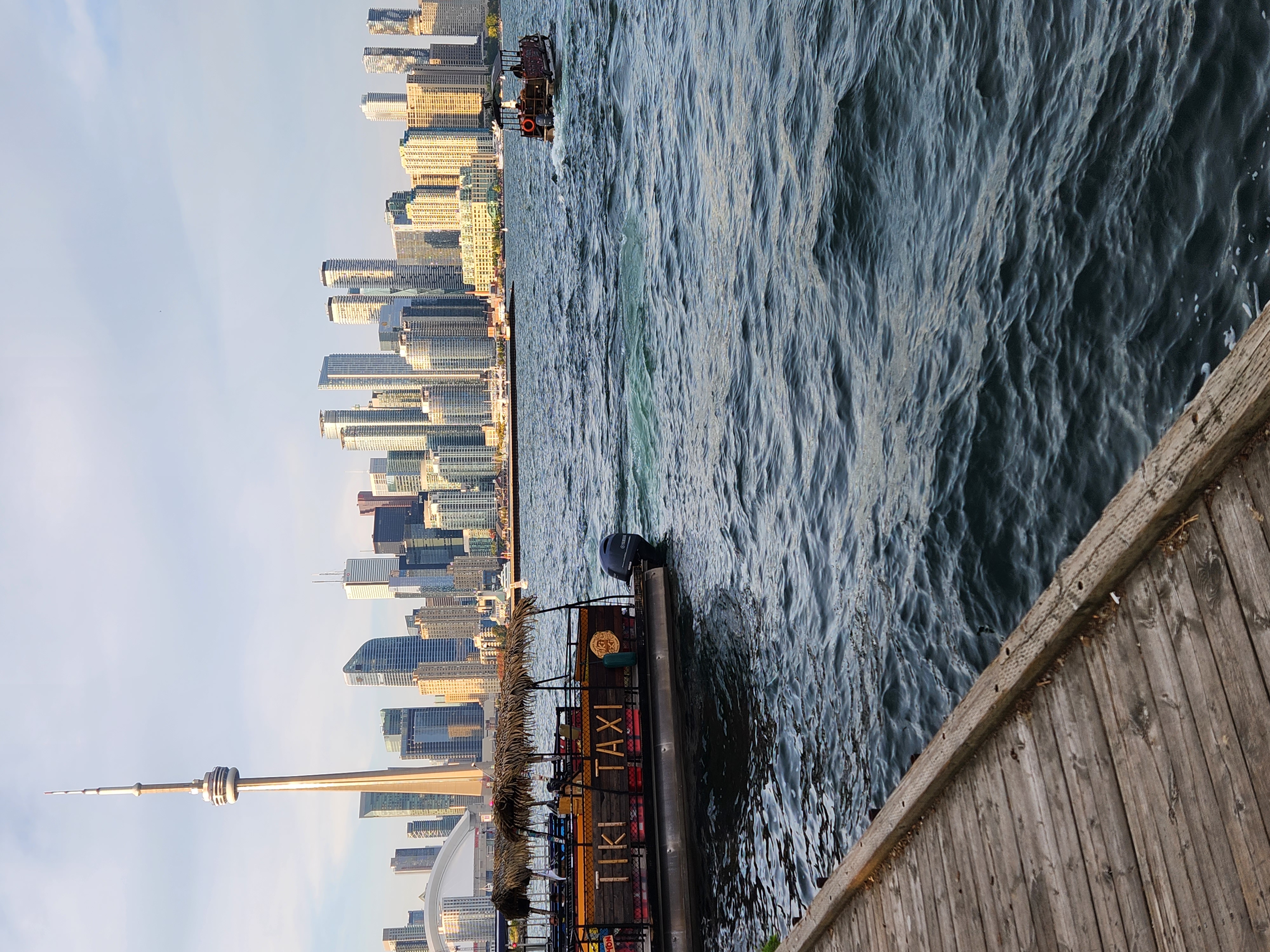
- Cities like Toronto, Vancouver, and Montreal reported record-breaking summers for tourism.
- Canadian patriotism and perceptions of safety boosted local travel, benefiting hotels, restaurants, and attractions.
Alternative Destinations
- Canadians also sought alternatives in Europe, Asia, and the Caribbean, diversifying travel patterns.
- This shift reduced dependence on U.S. destinations and strengthened Canada’s ties with other tourism markets.
Political and Social Dimensions
Symbolic Protest
- The boycott became a symbol of Canadian resistance to U.S. trade policies.
- Many Canadians expressed frustration not only with tariffs but also with U.S. political rhetoric, including suggestions of annexation.
Consumer Behavior
- Surveys indicated that 71% of Canadians planned to buy fewer U.S. goods and avoid U.S. travel.
- This sentiment extended beyond tourism, affecting retail and cross-border shopping.
Long-Term Consequences for the U.S.
- Loss of Canadian tourism revenue may force U.S. destinations to diversify their visitor base.
- States most reliant on Canadian visitors—such as Florida, New York, and Washington,face structural challenges.
- The boycott highlights the vulnerability of the U.S. tourism industry to political disputes.
For Canada
- The boycott strengthened domestic tourism infrastructure.
- It encouraged Canadians to explore their own country, boosting regional economies.
- Canada’s tourism industry emerged as a “winner” of the trade war, capitalizing on redirected spending.
Case Studies
Nova Scotia Travelers
- Canadians like Kristy Gammon from Nova Scotia reported avoiding even passing through the U.S. en route to other provinces.
- This illustrates the depth of the boycott, where convenience was sacrificed for principle.
Montana’s “Canadian Welcome Pass”
- Border towns attempted to counteract the boycott with discounts and promotions.
- Despite these efforts, Canadian travelers remained reluctant, underscoring the strength of political sentiment.
Conclusion
The Canadian boycott of U.S. tourism due to tariffs represents a unique intersection of trade policy and consumer activism. While tariffs targeted goods, the backlash extended into tourism, reshaping travel flows and economies on both sides of the border.
- For the U.S., the boycott has meant billions in lost revenue, job losses, and weakened border economies.
- For Canada, it has fueled domestic tourism growth, strengthened national identity, and diversified travel patterns.
Ultimately, the boycott demonstrates how political decisions can ripple through everyday life, turning vacations into acts of protest and reshaping industries far beyond their intended targets.